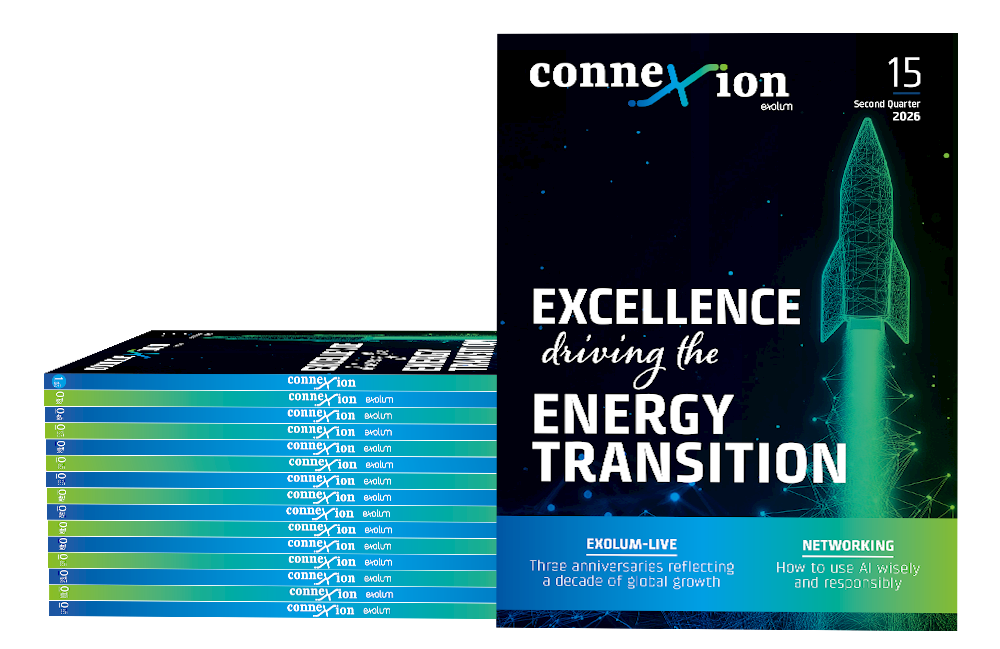





Share this issue of conneXion and promote the pleasure of reading
We want to hear you
Note: some links included in this magazine redirect to internal communication channels and may only be viewed by Exolum personnel.
The ConneXion Challenge
This edition features a new section. You can find the answer to the question below somewhere in this magazine. If you get it correct, you’ll participate in the draw for 3 experience packs.
What does the acronym SHYNE stand for?
Email us your answer at comunicacion.interna@exolum.com or, if you prefer, click on the link and complete the form. You can send us your answers up until 31st August.
Don’t forget to participate!
All content copyright © 2021 Exolum. All content is credited to their respective contributors. You may not use the material for commercial purposes or reuse the content in any form without permission.
PUBLISHED BY
Exolum
MANAGEMENT AND COORDINATION
Mavi de Lamor
José Antonio Galán
Gema Navarro
CONSULTANCY, EDITING AND DESIGN
ATREVIA Publicaciones
In this issue
Javier Alonso
Rui Balixa
Antonio Cores
Juan Antonio Durán
Mario González
Benoît Lamothe
Carlos Moreno
Julio de Moreta
Daniel Morrisey
Mark O’Neill
Luis Ortiz
Diego Sánchez Mangas
Juan Manuel Valverde
Jennifer Wilkinson
Editorial
AI and cybersecurity: innovating responsibly
‘We’re promoting an AI strategy with more than 100 initiatives to speed up our Strategic Plan’

rtificial intelligence is changing the way we work. New tools pop up every week that help us analyse information, automate tasks, and make quick decisions. It’s an evolution that offers great opportunities yet also comes with huge responsibility: including these capabilities safely and wisely.
At Exolum, we know innovating does not mean just adopting the latest technology without question. It means using it to do our work better, offer our customers more value, and continue operating at the levels of safety and reliability we’re known for. And, in order to do this, the essential requirement is protecting our systems and the information with which we work.
It is with this aim that we’re promoting an artificial intelligence strategy comprised of more than 100 initiatives to optimize operations, automate processes, enhances information analysis, and supports business teams. AI is thus becoming a transversal capability to accelerate our Strategic Plan and generate value pragmatically and safely.
Cybersecurity is a part of the day-to-day of any company that manages essential infrastructures.
It’s not just a technicality or the responsibility of any one area.
Every single person helps keep the environment safe by taking such simple action like identifying suspicious emails, protecting their credentials, and using digital tools appropriately. In order to reinforce this protection, we’ve designed our 2026-2028 Cybersecurity Strategy, which includes 19 initiatives aiming to protect IT and OT environments, improve our response capacity, and strengthen a culture of safety throughout the company.
Artificial intelligence can also help us in this area. Nowadays, it can detect anomalous behaviours faster, identify possible threats, and streamline the analysis of large volumes of information. When used responsibly, it can be an ally in forecasting risks and reinforcing our response capacity.
But it’s best not to forget one fundamental thing: AI is a tool. The people using it still make the difference. Wisdom, experience, and responsibility continue to be essential when deciding when to trust a recommendation, when to contrast a result, or when to act with caution.
This is why we talk about how artificial intelligence and cybersecurity must go hand-in-hand. The more we incorporate new technologies into our activities, the greater our commitment must be to using them safely, ethically, and responsibly. It’s not about halting innovation, but rather making it sustainable and generating trust.
At Exolum, we’d like to continue taking advantage of the opportunities offered by the digital transformation. And we’ll be doing so by promoting new solutions, strengthening our systems, and, above all, relying on people. Because the best technology is that which helps us work better without forgetting what has always defined our company: operational safety, trust, and excellence.
The digital transformation doesn’t just depend on technology. It depends on how we use it every single day. If we innovate responsibly and act wisely, we’ll be building an organization that’s better prepared and more secure in order to face all of the challenges ahead.
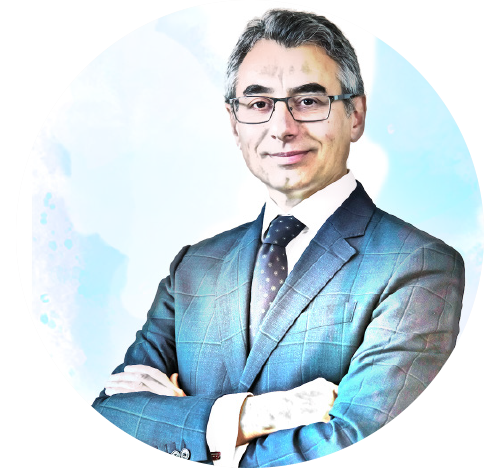
Global HSSE, Tech & Ops COE Director
About us
we move on
The energy transition is entering a new phase marked by demand, infrastructures, and competitiveness
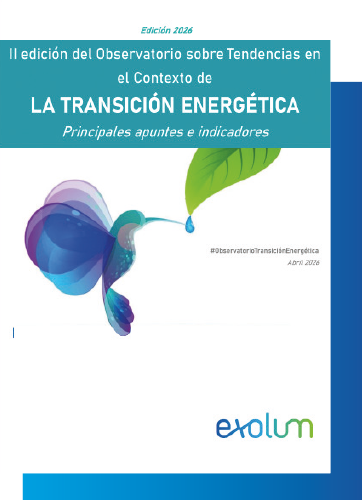
We presented the 2nd edition of the Trend Observatory in the context of the energy transition, a report that analyses the evolution of decarbonization in Spain and identifies the challenges and opportunities in making progress towards a low-carbon economy.
The study makes clear the need to deploy large-scale technological solutions quickly and at competitive costs in order to achieve the country’s energy and climate goals. The Observatory underscores Exolum’s commitment to analysing and promoting solutions that make it possible to speed up an efficient, competitive and technologically feasible energy transition.
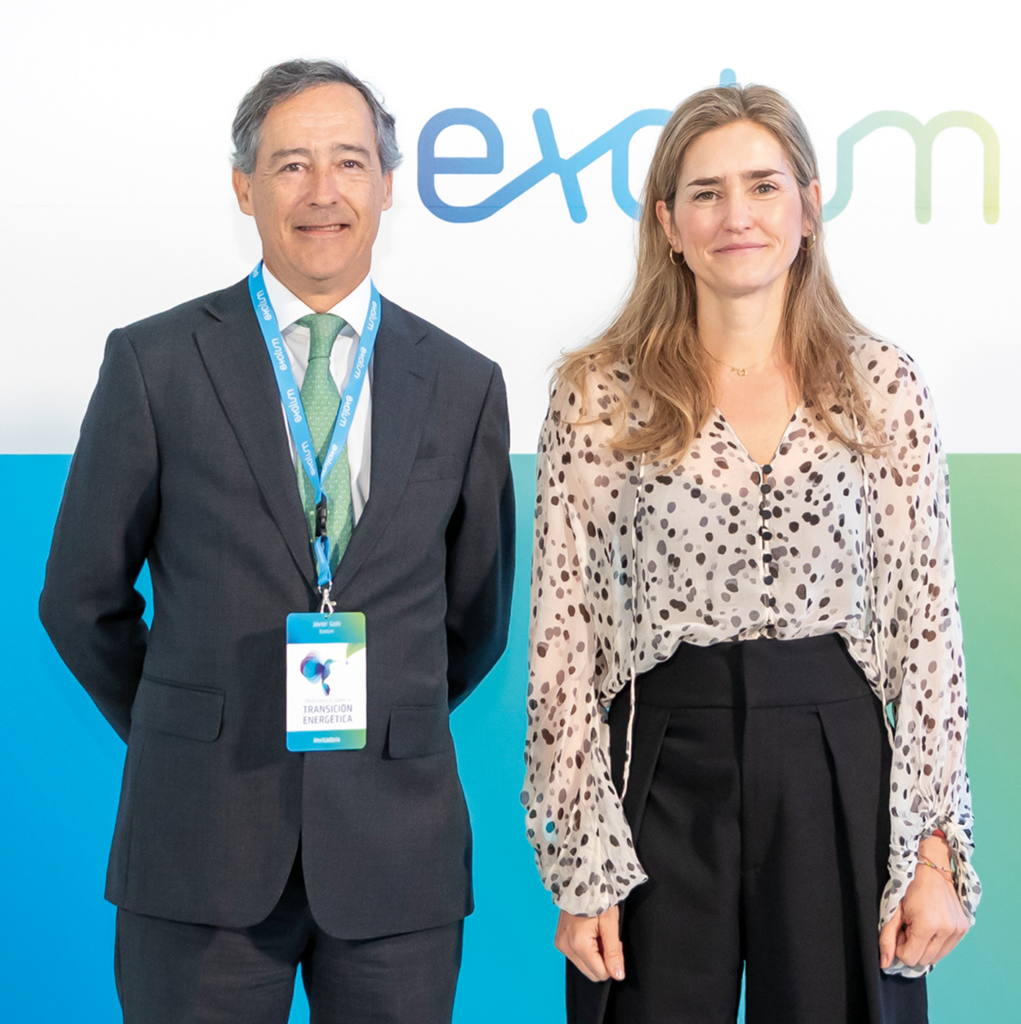
Javier Goñi, CEO of Exolum, and Sara Aagesen, Third Vice-President of the Spanish Government.
The presentation, which featured speeches by key names in the energy sector, industry, public administrations, and the European Commission, included two roundtables. The one dedicated to mobility and transport highlighted the complexity in moving towards more sustainable models in a context of increasing demand, pressure regarding costs and the need to adapt infrastructures and energy solutions to the particular characteristics of each means of transport. On the other hand, during the debate on the energy transition and society, participants emphasized the importance of relying on a stable framework which makes it possible to mobilize investment, drive industrial competitiveness, and guarantee a balanced transition from an economic and social standpoint.
The report concludes that Spain is entering a new more demanding and complex era in the energy transition where decarbonization progress at different paces depending on the sector. Combining different technological solutions based on the degree of maturity and the specific needs of each activity will be necessary in order to meet the objectives set forth in the Spanish National Integrated Energy and Climate Plan (PNIEC, as it is known by its Spanish acronym).
Even though the electrical sector continues to lead emissions reduction, areas such as heavy transport, aviation, construction and intensive industry will need to complement electrification with renewable fuels, hydrogen, and other energy solutions in order to move forward with decarbonization in the short- and medium-term.
The presentation of the Observatory in Madrid brought together outstanding institutional representatives as well as big names in the energy and industrial sectors. Sara Aagesen, Third Vice-President of the Spanish Government and Minister for the Ecological Transition and Demographic Challenge pointed out that ‘the energy transition is fundamental to society’s wellbeing’ and thanked Exolum for its work ‘as a strategic role-player for the supply chain in our country’.
On the other hand, our CEO, Javier Goñi, declared, ‘The success of the new energy vectors depends on our ability to connect them efficiently to points of consumption. New infrastructure is already capable of adapting to these new needs.’
The day concluded with a speech by Jorge Guillén, CEO of Exolum Iberia, who emphasized that the value of the Observatory as a tool for identifying the progress made in the energy transition and mentioned areas where more effort is needed in order to speed up decarbonization.
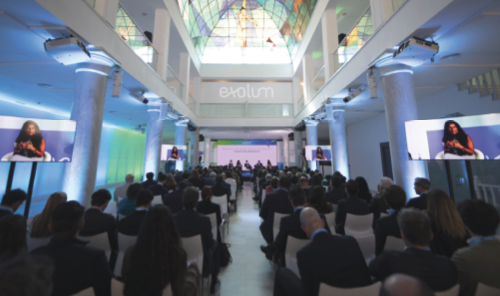
The report combines a view of the current state of the energy system with an analysis of the trends that will mark the its evolution in the coming years, considering both the regulatory framework as well as the economic context. During the presentation thereof, institutional, energy, and industrial experts debated the challenges of mobility and transport, as well as society’s role in the energy transition.
About us
who we are
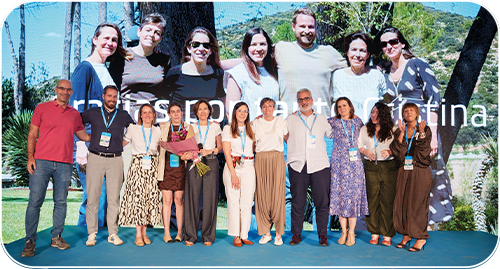
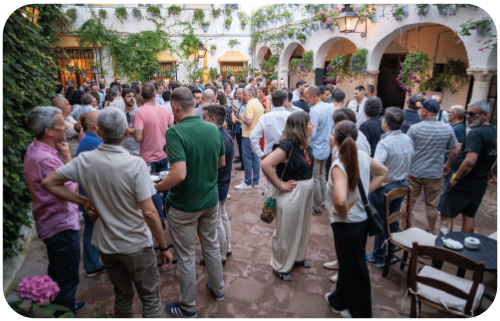
Forum 2026: Connection, strategy and teamwork
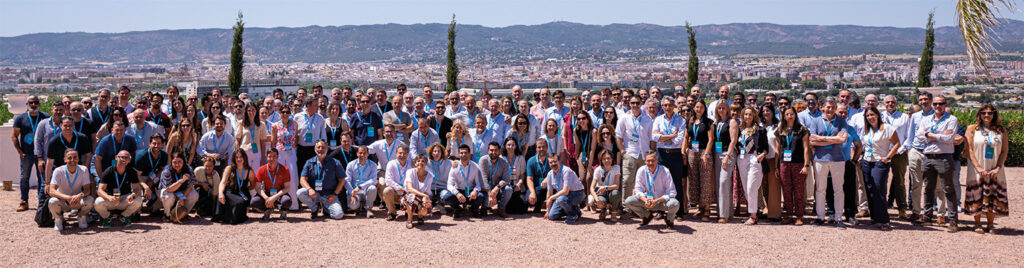
We gathered in Cordoba on 3rd and 4th June to share our views, reflect upon the challenges that will mark Exolum’s future, and strengthen the ties that unite us as a team.
Forum 2026 was, above all, a time to listen, learn, and continue building our company’s future together.
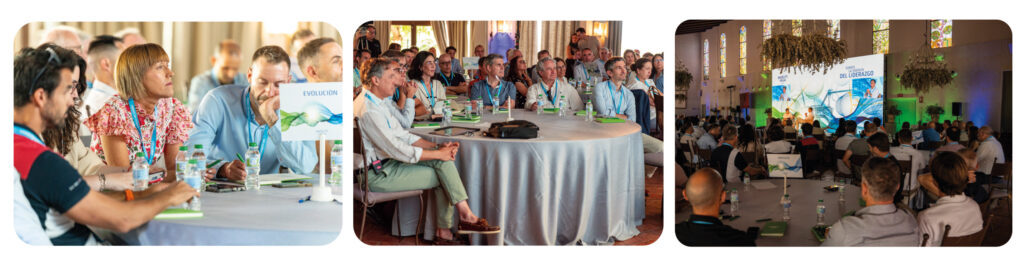
‘We’re the energy of change’ was the slogan for one of Exolum’s most relevant internal events in Spain. Over the course of the two days, led by Mavi de Lamor, Communication Manager, professionals from different areas shared projects, initiatives, and perspectives on the challenges and opportunities that will define the evolution of our business and our role in the energy transition.
As part of his remarks, Javier Goñi, CEO of Exolum, emphasized the international positioning the company has achieved, and the importance of continuing to make progress based on excellence, the capacity to adapt, and ongoing learning, all keys to successfully overcoming hurdles in a constantly changing environment.
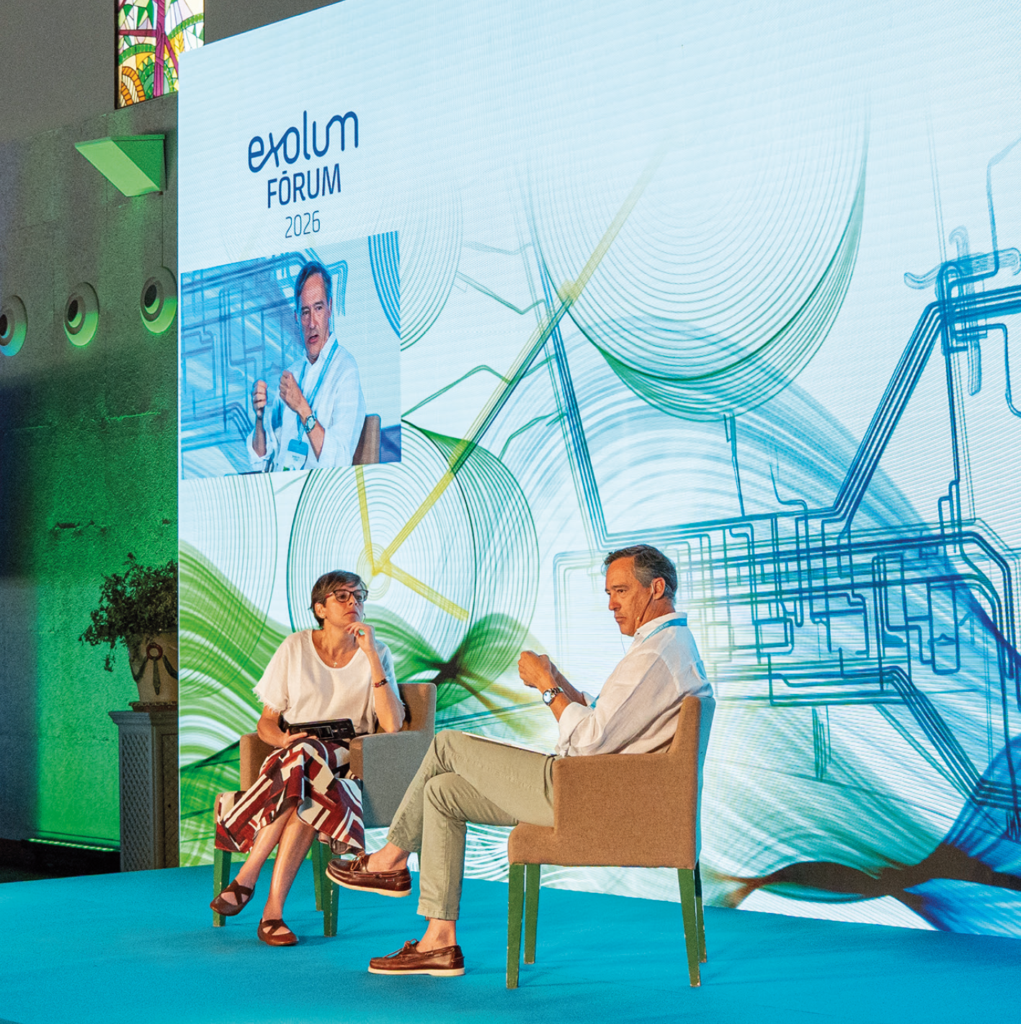
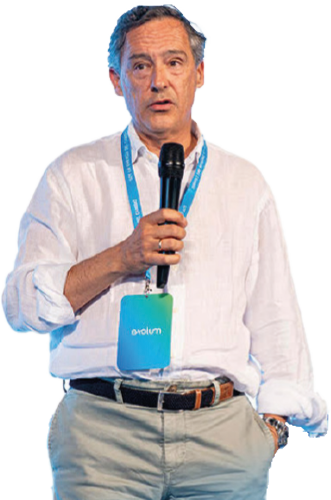
Jorge Guillén, CEO of Iberia, placed those messages in the context of Iberia by explaining how they play out when it comes to the main projects and initiatives that will drive growth throughout the region in the next few years.
Similarly, Steve Land, CEO of NWE, presented the evolution of business in northwestern Europe, and shared the opportunities for growth that are opening up for Exolum in this strategic region.
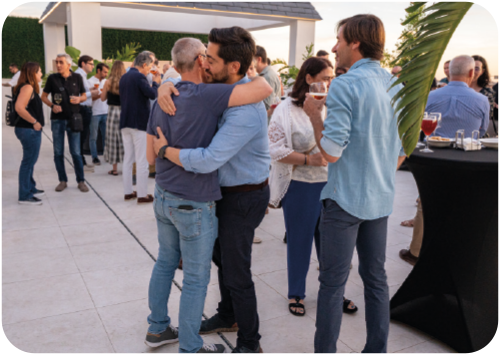
The Forum was an experience that allowed us to share, celebrate, and strengthen relationships beyond just work

Memorable moments
The Forum also left us with some particularly emotional moments. Cristina Jaraba, People Chief Officer, received a well-deserved tribute marking the end of a period in her career marked by commitment, friendliness, and her contributions to the development of Exolum and the people who are part of the company.
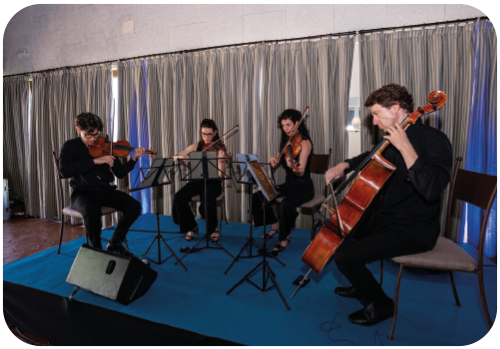
A performance by a string quartet from the Queen Sofia Higher Music School, which we sponsor, and a night during which we enjoyed a magnificent equestrian show completed this experience which allowed us to share, celebrate, and strengthen relationships beyond just work.
Thanks to everyone who made this event possible, and to those who actively participated in it. Gatherings like the Forum remind us of the importance of sharing knowledge, learning from each other, and continuing to move forward together towards Exolum’s future challenges.
We’re developing a CO₂ storage terminal at the Port of Bristol
The Company Exolum 7CO₂ will develop a strategic infrastructure that will make it possible for industry in southwestern England, the Midlands, and southern Wales connect to the carbon capture, transport and storage ecosystem (CCUS) in the United Kingdom.
Terminal, which will be located in Avonmouth at the Port of Bristol, will facilitate access by industrial sectors in the region to carbon capture and storage solutions so as to help them make progress with their emissions reduction goals. The company Exolum 7CO₂, created along with Severnside Carbon Capture and Shipping Hub and Técnicas Reunidas, will be responsible for the investment, development, and commissioning for this project.

The terminal is expected to begin operating in 2031, managing up to six million tonnes of CO₂ per year
Flexibility
The future facility is designed as an open, flexible, and scalable logistics hub oriented towards adapting to the needs of different industrial sectors. It will enable the transport of CO₂ by rail and sea, thus fostering progressive and efficient implementation of value chains associated with carbon capture and storage.
Operations are expected to begin at the terminal starting in 2031, managing up to six million tonnes of CO₂ per year. This capacity will help support the energy transition in the United Kingdom, and make decarbonization in difficult-to-electrify industries easier.
What’s more, the project may lead to the development of new industrial activities linked to the energy, such as the production of sustainable fuels and the implementation of data centres with access to low-emissions energy solutions.
Nacho Casajús, Senior Vice President of Exolum Global Energy Logistics, stated, ‘Through Exolum 7CO₂, we are making our experience in energy logistics available to help speed up industrial decarbonization all while maintaining the highest levels of operational safety and excellence.’
We hosted the Shyne General Meeting
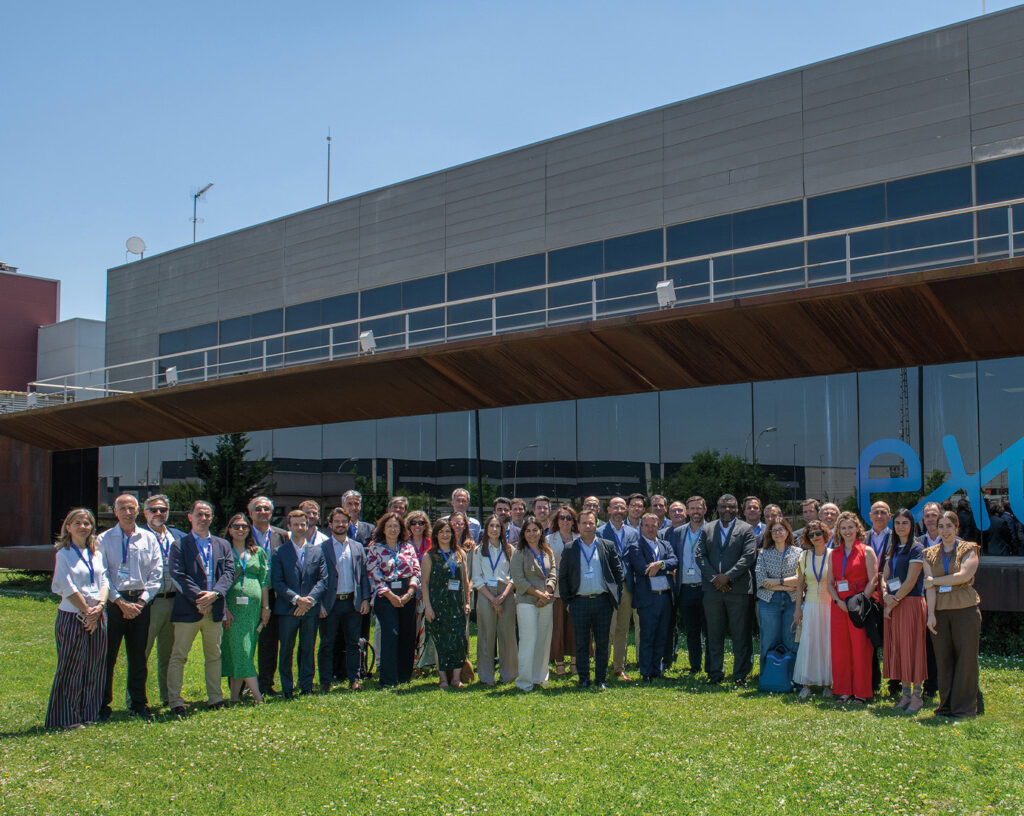
The museum at our San Fernando-Torrejón facility hosted the General Meeting for the association Spanish Hydrogen Network (Shyne), which brought together some of the major players in Spain’s renewable hydrogen ecosystem.
As one of the nine promoting members of this association, we acted as hosts on a day on which people shared all the progress being made in different industrial projects linked to the development of renewable hydrogen.
Nacho Casajús, SVP Global Energy Logistics, was responsible for welcoming everyone. He highlighted Shyne’s value as a ‘platform for multi-sector collaboration which integrates the different links in the renewable hydrogen value chain’. On the other hand, Irene Lores, VP Low Carbon, shared Exolum’s vision as to the role of infrastructures and logistics in the development of new energy solutions.

One of the most memorable moments of the day was the presentation of the Irizar and Alsa i6S Efficient H2 FCEV coach, the first vehicle of this category in Europe powered by hydrogen with zero emissions. The new model, which was refuelled at our Torrejon plant, represents another step towards more sustainable, smart, and connected mobility.
The Shyne General Meeting again made clear the importance of collaboration among companies when it comes to fostering the development of renewable hydrogen and making progress with the energy transition. At Exolum, we’ll keep contributing to this goal by developing infrastructures and logistics solutions that facilitate the growth of new energy value chains.
Thank you to all the teams that made this event possible!
Hyundai and Exolum encouraged dialogue on hydrogen with the presentation of the all-new NEXO
Again, our Torrejón-San Fernando facilities were chosen by Hyundai Motor España as the place to present the new generation of their Hyundai NEXO.
The event was used to share knowledge and reflect upon the role hydrogen can play in mobility and other difficult-to-electrify sectors.
Irene Lores, VP Low Carbon at Exolum, and Leopoldo Satrústegui, President and CEO of Hyundai Motor Spain, shared their views on the opportunities and challenges associated with the development of hydrogen, placing emphasis on the importance of collaboration among the different agents in this ecosystem.
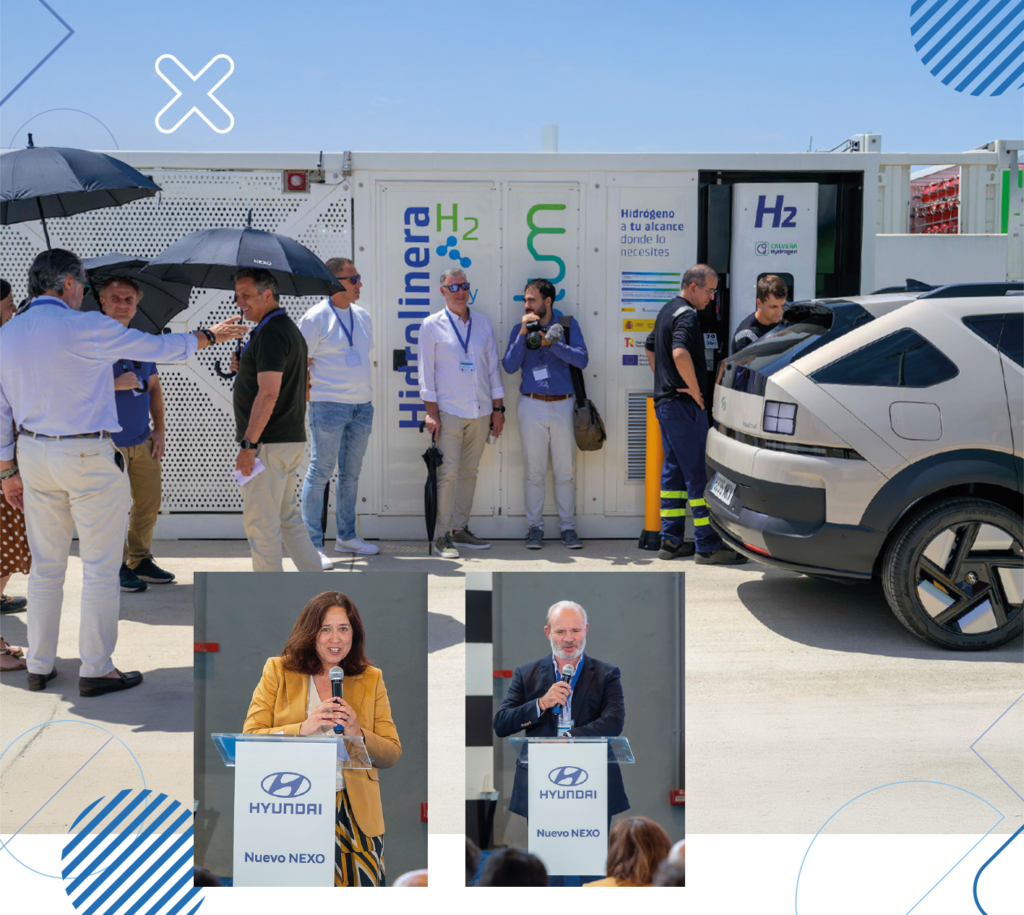
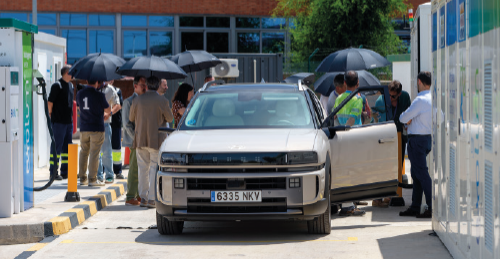
Those attending also visited our hydrogen fuelling station and were able to find out first-hand how you refuel the Hyundai NEXO, one of the most advanced hydrogen fuel cell electric vehicles on the market. The event was an opportunity to demonstrate the role of infrastructures in driving the energy transition, developing new mobility solutions, and rolling our new energy vectors.
Thanks to Hyundai Motor Spain for sharing this day with us, and to everyone who helped make it possible.
The event demonstrated the role of infrastructures in developing new mobility solutions
Important milestones: more capacity for Heathrow and Gatwick
We’re modernizing the Easthampstead pumping station in the United Kingdom, a key infrastructure for the supply of fuel to the Heathrow and Gatwick airports.
As NWE CEO, Steve Land recently set out, over the course of this year our Milestones That Matter series will capture the latest developments at our leading growth projects, as part of our wider four-year, £240m capital investment programme.
At Easthampstead in the UK, work is now underway as teams begin a key stage in our pump upgrade project – a major milestone in strengthening resilient, independent, future-ready infrastructure that helps keep energy moving, for today and tomorrow.
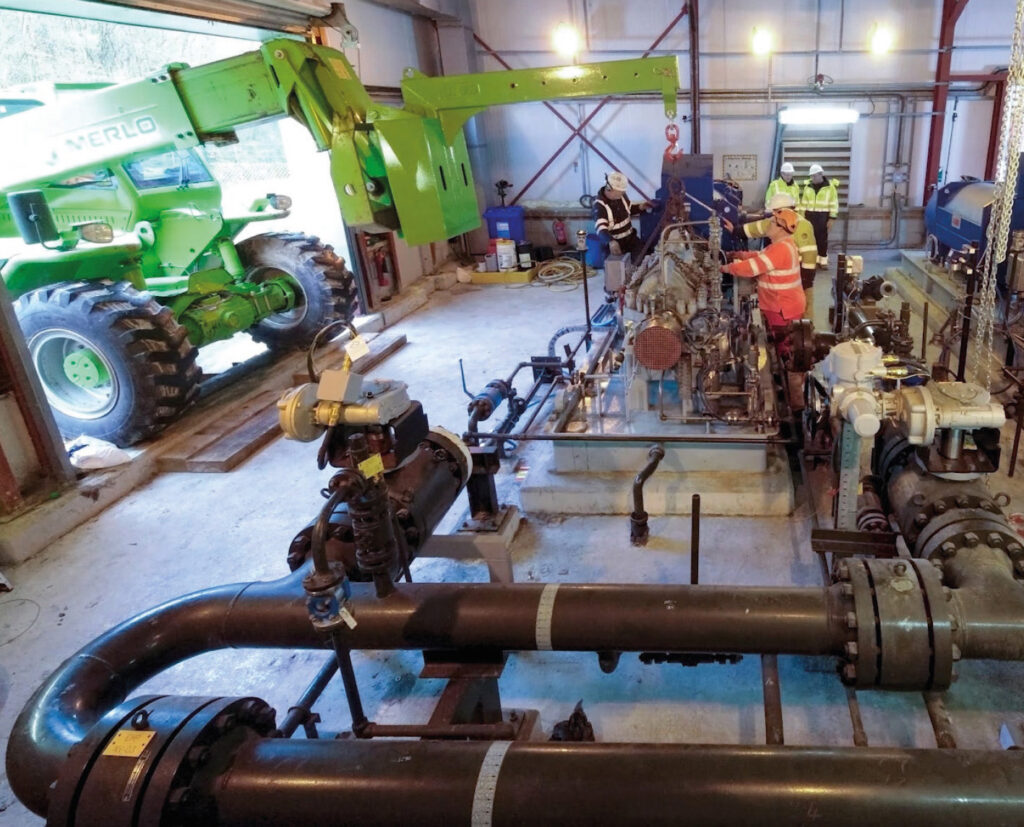
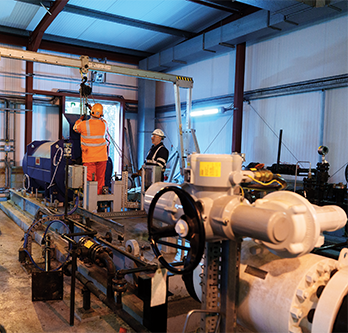
Over the course of two days in February, pumps and motors were removed from the booster pump station in Easthampstead, West Berkshire.
The work marked an important milestone in the project, enabling the pumps to be sent for specialist refurbishment and helping to ensure Easthampstead remains a benchmark for operational excellence – improving reliability, reducing risk, and supporting long-term performance across the pipeline system.
Once stripped down and inspected, we will gain a clearer understanding of the work required to overhaul the equipment and address any underlying issues – helping to shape the next phase of delivery.
This upgrade forms part of Exolum’s wider programme to expand and upgrade our infrastructure in the UK, creating greater capacity, flexibility and market access that supports growth, strengthens resilience, and helps scale lower‑carbon fuels over time.
The project’s ultimate goal is to boost aviation fuel flow through the pipeline supplying Heathrow and Gatwick airports in London. This improvement will have a direct impact on our operations and customers, significantly increasing the volume of fuel we can transport through this key section.
Delivered by teams working across disciplines and sites, the project demonstrates how we invest in specialist capability as much as in assets – building confidence in delivery and reinforcing Exolum as the partner of choice for critical energy logistics.
The refurbished pumps will be reinstalled alongside new motors, seal systems, and variable frequency drives.
A new purpose-built switch room will also be constructed on site to support the upgraded infrastructure.
While the Easthampstead site itself will look unchanged, these innovative enhancements will deliver lasting operational and environmental benefits as we look to the future.
The pump upgrade is projected to be complete by the end of 2026.
We’re propelling the first Spanish Association of Airport Operators
Along with Terminales Canarios and Servicios Logísticos de Combustibles de Aviación (SLCA), Exolum has created the Spanish Association of Into-Plane Fuelling and Fuel Storage Operators at Airport Facilities, the first organization representing operators in this field in Spain.
The new association has arisen to give the sector a unified voice in the face of regulatory, technological, and environmental challenges, as well as to represent an essential activity so as to guarantee the operability of air transport, supply security, and territorial connectivity.
This initiative is an important step in reinforcing collaboration between operators, and fostering closer dialogue with government agencies, regulatory bodies, and airport managers. Plus, it will help promote an ever safer, more efficient and more sustainable sector.
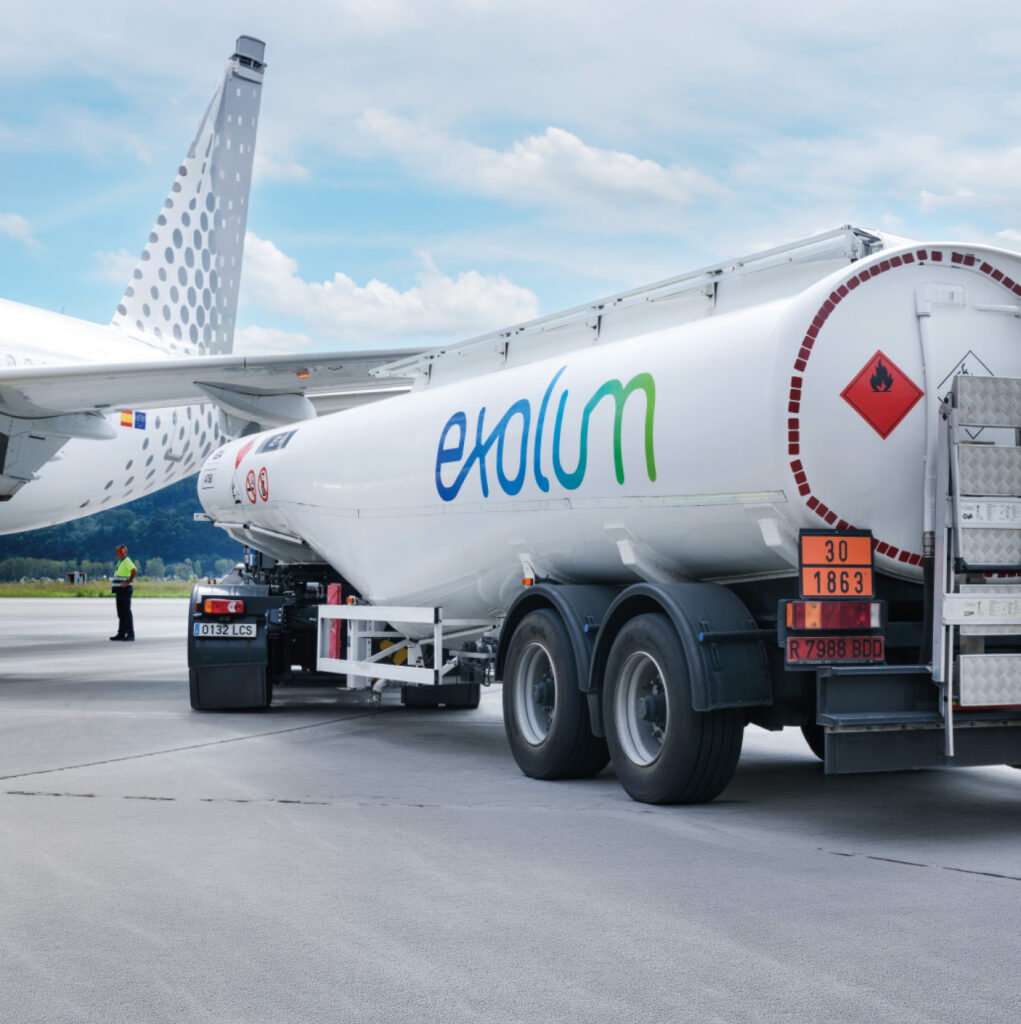
Iván Saco, President of the association and VP Commercial Airports at Exolum, emphasized that ‘the association has come about in order to strengthen collaboration between sector operators, and act as a liaison between government agencies, regulatory bodies, and airport managers’. Likewise, he indicated that ‘we want to contribute to the development of an ever safer, more efficient and more sustainable sector.’
The Canary Islands will be one of the benchmark territories for the association’s activities, both due to the historical presence of promoter operators as well as the strategic relevance of air transport for the archipelago’s connectivity and economic development.
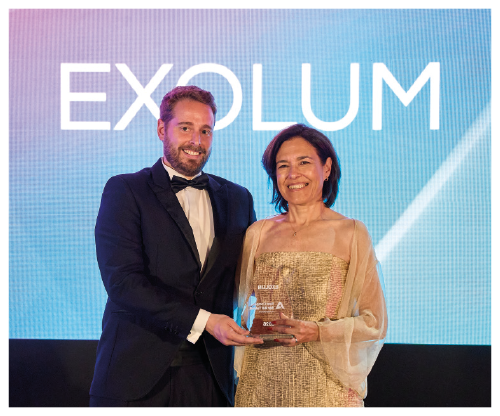
Exolum was recognized as one of the Best Companies for All Talent 2026, an award granted by Equipos & Talento to the organizations most committed to talent attraction, integration, development, and loyalization.
This acknowledgement spotlights our commitment to building an atmosphere where people can grow professionally, develop to their full potential, and contribute to the company’s success.
Cristina Jaraba, Chief People Officer, and Diego López, Portfolio Manager, received the award during the ceremony held at the Royal Theatre in Madrid, which brought together some of the most outstanding people management organizations in Spain.
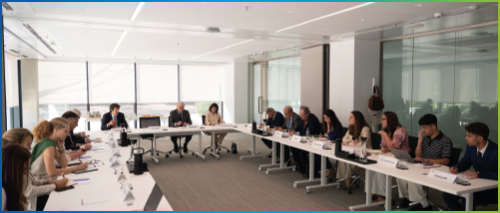
We are now members of the Board of the Spain-Australia Council Foundation, which is a step that reinforces our commitment to strengthening relations between the two countries and encouraging collaboration among their business communities.
We’re thankful for the warm welcome we’ve received from the Foundation and its members, particularly Joaquín Mollinedo, Luis Fonseca, Raffaella Ferreccio and the rest of the organizations that are a part of this initiative. We trust that we will be able to contribute to the development of new collaboration opportunities and the strengthening of economic, institutional, and culture ties between Spain and Australia.
We’ve joined BIND, the open innovation platform promoted by the Basque Government Department of Industry, Energy Transition, and Sustainability which connects large enterprises with technology startups around the world.
Being a part of this ecosystem will allow us identify new technologies and innovative solutions which will helpboost new business, improve our operations, and keep making progress in areas that are key to the energy transition.
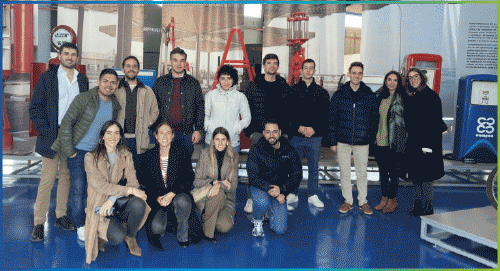
Our Torrejón facility hosted a new edition of the Exolum Host Programme as part of the Transport Spain Foundation Multi-Company Talent Programme.
The day saw us welcoming 20 professionals from companies of the likes of Michelin, ING, Grupo Lar, Ormazabal, NTT DATA, MasOrange, Stellantis and Grupo Enhol, with which we shared our activities, our history, and some of the projects that are laying out the future of Exolum.
These kinds of initiatives foster an exchange of experiences, learning among professionals in different sectors, and the creation of new opportunities for collaboration.
OUR EXPERT
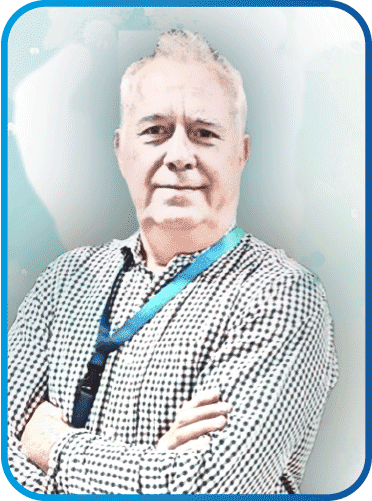
Mark O’Neill
NWE Operations Director
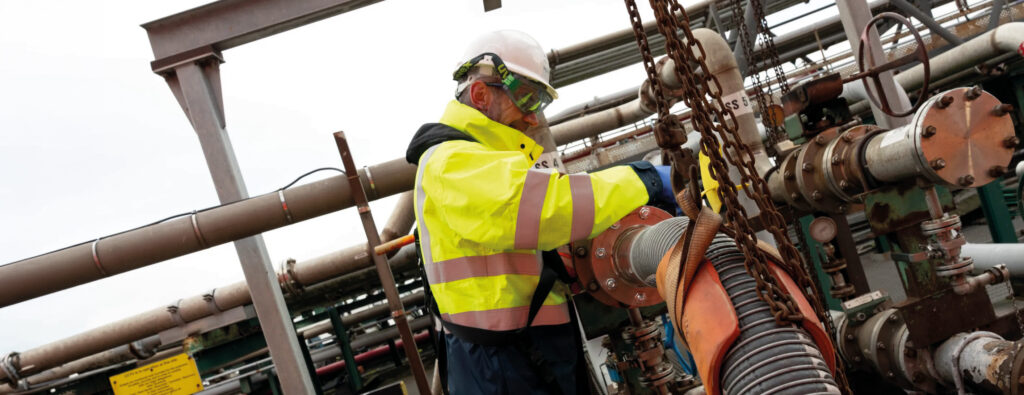
Operational excellence is a part of Exolum’s DNA, and it will continue to be one of the pillars of our future development. Mark O’Neill shares his vision of the importance of this concept in an energy environment under constant change.

Our launch of the UK’s first comercial bio-methanol bunkering service at Immingham is a recent example of this approach in action.
The significance of the project lies not only in the innovation itself, but in how it was delivered. Existing tanks, pipelines and jetties were adapted through careful planning, rigorous safety controls and phased investment. Rather than waiting for entirely new systems, operational excellence made it possible to respond to the transition now, using assets already in place.
In February we welcomed partners and customers, both past and present, to London for International Energy (IE) Week.
Now in its 24th year – having started in 2002 – IE Week has become a cornerstone for strengthening relationships, exchanging perspectives and reflecting on the changes shaping global energy markets.
The event offers a rare opportunity for senior leaders from across the energy system to come together and discuss the biggest challenges facing the sector.
Yet amid all the high-level conversation, the fact of the matter is that the decisions that enable us to meet these challenges will be taken on the ground as much as in the boardroom.
One theme stood out to me throughout the event, and I feel it’s a simple reality we shouldn’t lose sight of: turning words into action depends on operational excellence.
As a company, we have long held the ambition of being a benchmark for operational excellence. That commitment strengthens our capabilities, reduces risk, improves reliability, and reinforces Exolum as the partner of choice for essential energy logistics. Put simply, it is both the right thing to do and good business sense.
Strategic responses
As we set out on the path of our new Strategic Plan, navigating a fast-changing energy market won’t be achieved by declarations alone, but by resilient, adaptable and future-ready infrastructure operated to consistently high standards. In this context, operational excellence is no longer just a baseline expectation – it is a strategic response to uncertainty.
Infrastructure designed to evolve
This is a central cog in our strategy. As the energy mix evolves, terminals must become increasingly flexible – capable of handling conventional fuels, biofuels and new energy carriers side-by-side – a requirement which relies on robust risk management, well-maintained assets and reliable operations.
In practice, this means maintaining critical infrastructure to the highest standards, using data to anticipate potential issues and track the performance of our assets, and clear, standardised operating procedures – supported by a strong safety culture that enables adaptation without compromise.
Operational excellence is what turns strategy into delivery. It reduces risk for customers and ensures new fuels can be introduced gradually rather than through disruptive, high-risk change. It also protects the long-term value of infrastructure, ensuring existing assets remain relevant as the energy transition unfolds.
International Energy Week serves as a reminder that the transition will be complex and uneven. But in my mind, the conversations that were had during the event reinforced a shared understanding: progress and success depend on combining strategic ambition with operational discipline.
For us at Exolum, operational excellence isn’t separate from the transition – it’s how we enable it.
What excites us
EXOLUM-LIVE
Three airports, three anniversaries, and a decade of international expansion
Exolum, then CLH, took its first step outside Spain in 2016 upon being awarded the Dublin airport contract. Ten years later, we’re operating in 10 countries and at some of the most strategic airports in the world.
Today we’re celebrating three milestones that reflect this ascent: the anniversaries of our operations in Dublin, Paris, and Lima. Three projects that represent the growth of our aviation business, our capacity to manage essential infrastructures, and our teams’ commitment to operational excellence. Congratulations everyone!
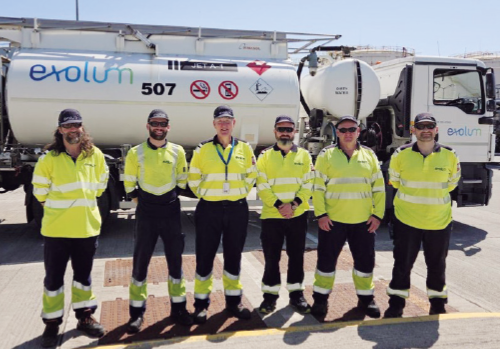
The capital of Ireland marked the start of our international trajectory. When we earned the contract to operate and develop the Dublin airport fuel storage facility back in 2016, we took a step that would mark our future. It was our first international operation, and it was happening at the largest airport in Ireland — a strategichub in Western Europe.
Daniel Morrissey, Terminal Manager, remembers those initial days as ‘a great step, a strategic movement that laid down the foundation for future growth and allowed Exolum to compete with other market leaders’. The facility then had three 1,000 m³ tanks, which were not enough to meet the needs of the expected increase in demand. Since that time, we’ve designed and built three 5,000 m³ tanks, and a new 8.4 kilometre hydrant system read for future expansions.
Having reached the equator of the contract, the overall assessment is quite positive which confirms the value of efficient and safe management oriented towards the long-term. All of this was validated with the JIG Sustained Performance recognition received in 2024. However, as Morrissey sums up: ‘A lot has been done, a lot is still yet to be done’.

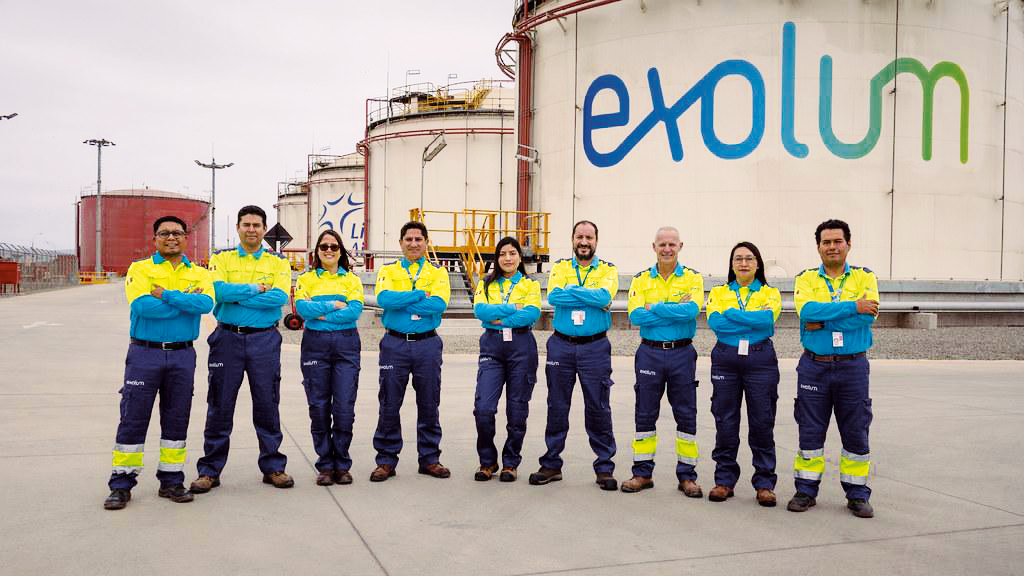
98% of all aviation fuel in Peru is concentrated at the Jorge Chávez airport, which is a natural hub for connections to North America and Europe. Mario González Galgani, Project Manager, explains, ‘We’ve built the most modern storage plant and hydrant network in Latin America’.
The facility has got a hydrant network more than ten kilometres long, and the storage capacity to have increased the airport autonomy from two to eight days.
The commissioning of this facility was a major challenge. Newly-hired professionals worked alongside experienced international teams to guarantee the infrastructure would be ready on time. It was all done with the support of specialists from Spain, Panama, and Ecuador. ‘It was a showing of excellent teamwork,’ underlines Mario.
A year later, the results back the efforts made: 85,046 supply operations completed with 99.9% operational efficiency and zero incidents.
‘Lima was our first step into Peru, but it has become an incredible experience with incredible results,’ he concludes.
It’s a project that marks the start of a new era for Exolum in Peru, and reinforces our ambition to continue developing strategic infrastructures in Latin America.

The inclusion of the Paris-Charles de Gaulle airport, the EU’s largest, was another step towards Exolum’s international consolidation. ‘Being present here sends a strong message about our capacity to operate critical infrastructures in some of the most demanding environments in Europe,’ says Benoît Lamothe, Director of this airport facility.
Benoît looks back very positively on this first year of activity. In just six months, the team has gone from one to 32 people. ‘We’ve met our commitments under highly complicated conditions without interrupting services at any time in a context where a company and a team were being simultaneously built. We’ve set down very solid bases, both from a technical and human standpoint,’ he explains. ‘Service continuity is an absolute obligation, and it was by no means easy!’ he acknowledges.
Over the course of this first year, the team has turned all the non-stop regulatory inspections into opportunities to improve the facilities and resolve inherited problems that had been left unresolved for years. ‘We’d like to maintain this dynamic of continuous evolution much further beyond the start-up phase. It’s an attitude, not an isolated programme,’ emphasizes Lamothe.
The 20-year contract means we can think long-term and consolidate Exolum’s presence in Paris, stimulating operational excellence and the preparation of infrastructures for the energy transition.

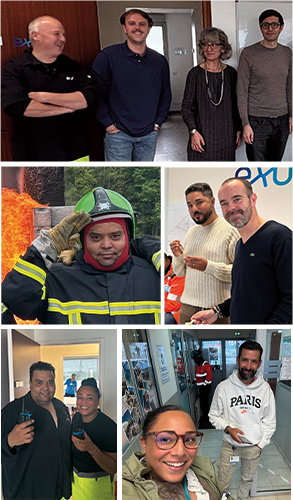
Meeting...
‘Team spirit is one of the greatest strengths at Exolum’
Before joining Exolum, Rui Balixa served in the Portuguese Air Force. ‘Aviation is a passion that has always been with me,’ he says. That’s why continuing to be associated with this world through our company is ‘a privilege and source of constant motivation’ for him.
Planes are part of the enthusiasm shown day after day by Rui Balixa. This passion is present in his professional life, his hobbies, and free time. ‘I’m lucky to work in a sector that I truly love and that makes a big difference in what motivates me to face each day,’ he explains.
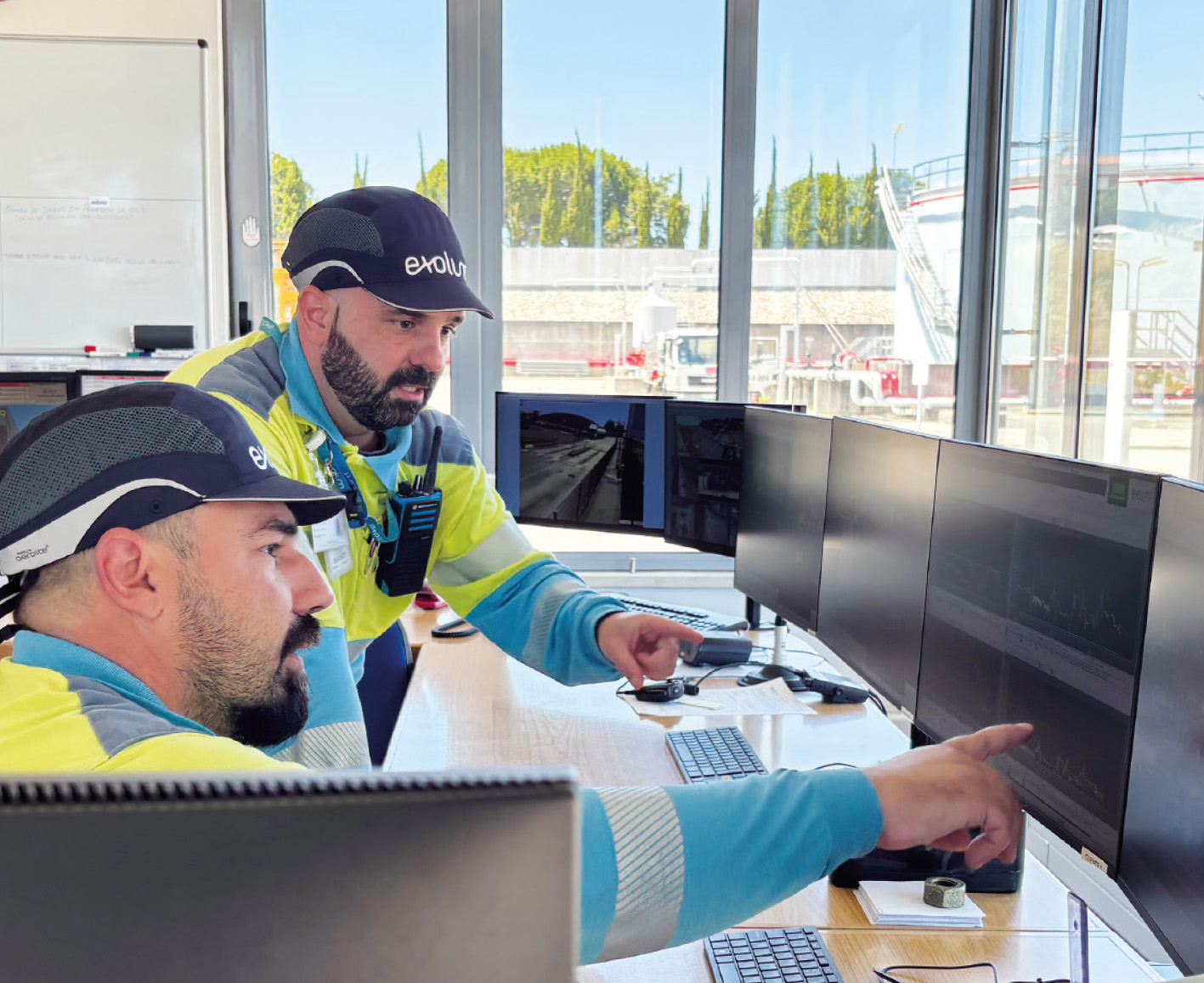
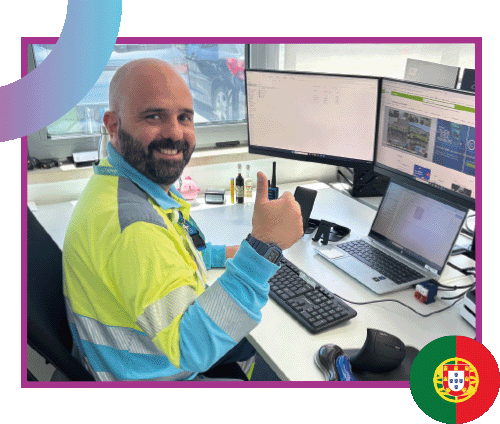
Head of Operations at the Humberto Delgado airport in Lisbon
What was it like to join Exolum?
I’ve been with the company since 1 January 2024, but I had already been working at this facility since 2014. So, the transition was actually quite natural. The team that arrived from Spain to support the start-up of operations in Portugal was extraordinary. Those gruelling days and weeks were full of challenges, but they were marked by incredible will, a spirit of collaboration, and professionalism.
What does your work involve?
As Head of Operations, I’m responsible for managing the team of supervisors and operators, and guaranteeing proper performance of daily operations at the facility. Some of my main responsibilities include managing fuel stocks, coordinating the reception of road tankers, and ensuring aircraft fuelling, as well as monitoring all operational activities.
What do you like most about your daily work?
Solving the challenges that come up and the fact that I’m constantly linked to the world of aviation. I like learning, evolving, and finding ways to improve processes and results in order to contribute to the success of the team and the company. There’s always room to do better, that that’s one of my main motivations.
What does working at Exolum mean to you?
It means being part of a company with ambition, a vision for the future, and a desire to grow. It also means taking on responsibility so as to contribute to the success of the facility and, as a result, the company’s overall goals.
‘I’m lucky to work in a sector that I truly love and that motivates me’
What do you like most about the company?
The culture of collaboration. Irrespective of the distance or location, there’s always willingness to help, share knowledge, and find solutions. That team spirit is no doubt one of Exolum’s greatest strengths.
We’d like to get to know you a bit better. How would you define your personality?
I consider myself a decisive person, responsible, and very much committed to everything I do. I like working with clear objectives and always try to do my best. I really value teamwork, honesty, and respect for others. At the same time, I’m a happy person and I like to create a positive atmosphere around me as a good mood is also part of a successful team.
What hobbies do you have outside work?
Besides the world of aviation, I love photography. I also really like traveling, preferably by plane.
How do you disconnect?
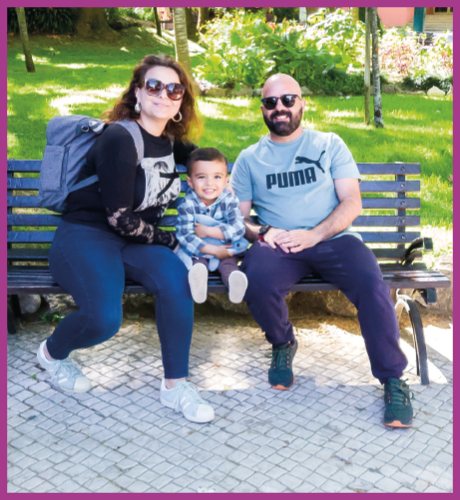
The best way is to spend time with my son. He’s what’s most important to me. Playing football, riding bikes or just spending time with him are times that help be recharge my batteries and put everything in perspective. Even on the most demanding days, my son’s happiness makes everything easier.
How do you like to spend your weekends?
With family and friends. I really value those moments of being together, sharing, and relaxing as they allow me to keep that balance between my work and my personal life.
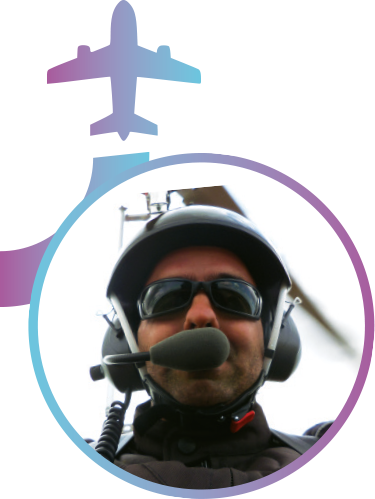
Rui finds everything related to aviation interesting from the history of aeronautics to airshows, which he attends whenever he can.
He’s got a flight simulator and a collection of planes with more than 100 different models at his house. He also does aeromodelling, and has got more than 10 remote-controlled planes.
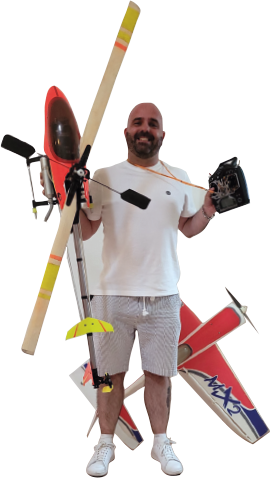

One favourite place:
The Azores

One food:
Bife à Regional (a traditional steak dish in the Azores).

One song:
The official anthem of Portuguese sports club S.L. Benfica.

One film:
Top Gun with Tom Cruise.
TransformACTION
GROW

We’ve landed in Madeira
With the addition of the Madeira Cristiano Ronaldo International Airport, we are now operating at 50 airport facilities in the world – two of which are in Portugal: Madeira now in addition to Lisbon’s Humberto Delgado Airport.
We’ve initiated operations at the aviation fuel distribution and storage facilities and the airport hydrant network in Madeira, managed by ANA (Vinci Group). We’ll be investing more than 4.5 million euros up until 2029 to build new infrastructures that will increase the plant’s storage capacity to 1,300 m³.
The contract has been signed with a term of seven years, renewable up to nine, and includes the comprehensive operation of the fuel storage plant and hydrant system, which is more than a kilometre long with 32 supply points.
This investment will raise the airport’s autonomy to five days, reinforce the reliability of fuel supply, enhance operational, accompany the expected growth in air traffic in the region, and facilitate the implementation of sustainable aviation fuels (SAF).
The 4.5 million euro investment will make it possible to increase the airport autonomy to five days
Adapted solutions
The start of operations in Madeira demonstrates our capacity to develop complex projects in strategic locations, and offer adapted solutions to meet each customer’s needs.
Our CEO, Javier Goñi, highlighted, ‘This presence provides extensive knowledge and solid experience in airport management in Europe and America. Aviation is a strategic area for our company where we’d like to continue growing.’
Three decades of commitment
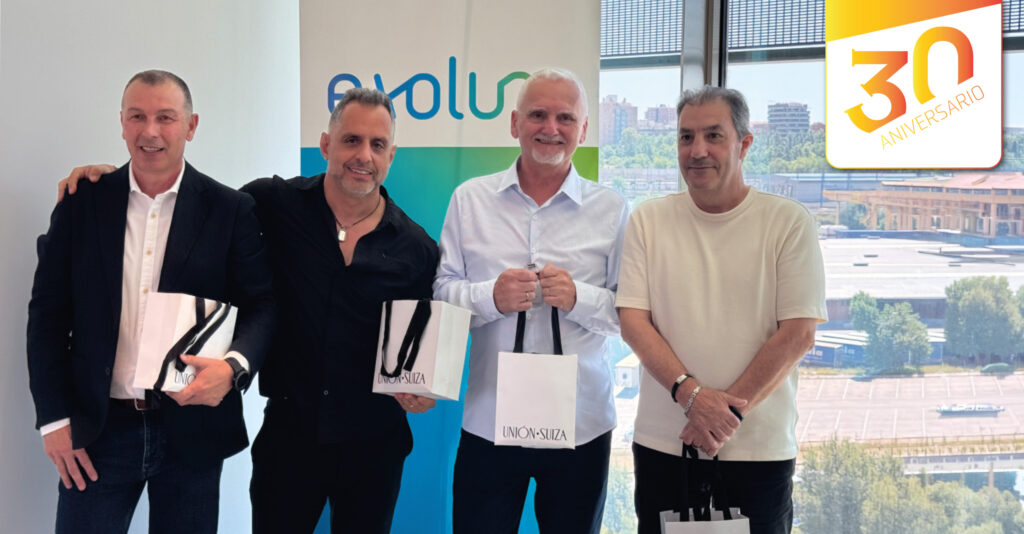
From left to right: Juan Antonio Durán, Antonio Cores Muradas, Juan Manuel Valverde Roca, and Luis Ortiz Ortiz.
Antonio Cores, Juan Manuel Valverde, Luis Ortiz, and Juan Antonio Durán are celebrating 30 years at Exolum. Three decades of dedication, commitment, and work which we’d like to recognize by giving them a watch symbolizing much more than just the passing of time.
When Antonio Cores joined the company, he never imagined he’s spend his entire career here. He began as a fuel supplier, was promoted to supervisor, and over the years, gained the experience needed to manage and organize all the work. As for his time here, he highlights the pride of being part of ‘an internationally renowned company’.
Juan Manuel Valverde also never thought he’d end up spending a large part of his career at Exolum. As an assistant technical specialist, he particularly values the training he’s received throughout the years from fire and occupational risk prevention to electricity courses. What makes him most proud is ‘belonging to a large company with well-defined values’.
An inherited vocation
The story behind Luis Ortiz is quite special. His father worked at Campsa and, from a very young age, he knew exactly what his dream was. ‘Ever since I was a kid, I really wanted to be at Exolum,’ he recalls. Throughout his career, he’s held positions of trust and responsibility for which he’s deeply grateful. After all these years, he’ll especially remember the experience acquired and the value of teamwork.
Juan Antonio Durán started working at the company at just 23 years of age. Since then, he’s worked at the Madrid-Barajas, Torrejón de Ardoz, Barcelona and Málaga facilities. ‘Saying I work here is a source of joy for me and my family. Above all, I’d like to leave a nice memory,’ he says.
The four of them have the same bit of advice for anyone just starting out: patience, consistency, and a good attitude. They also agree on something else. Looking back, they’d like to be remembered as good co-workers.
After thirty years, this recognition symbolizes the value of a career built with effort, dedication, and commitment. Thanks to the four of you for being a part of our history. Congratulations!
networking

Artificial intelligence: from personal assistant to autonomous engine in your day-to-da
Artificial intelligence (AI) is evolving at dizzying speed. Assistants that answer questions are becoming agents that run complete processes. But to what extent can we delegate to AI? Find out the implications of this on your daily life and your work.
Up until just a short time ago, tools such as ChatGPT, Copilot, and Gemini mainly worked as conversational assistants meaning you would ask them something, they’d answer and if you weren’t convinced, you’d look for clarification. This model continues to be out there, but it no longer defines the state of things. We’re experiencing a change of paradigm.
Julio de Moreta, Global Digital Strategy Lead, explains that agents executing complete processes can chain actions in sequence to reach a goal without the user having to intervene in each step. ‘In the most advanced versions, they can operate autonomously, ‘waking up’ based on certain conditions and executing processes by themselves without constant user intervention.’
This means we’re moving from consulting AI to delegating to AI. We’re no longer the loop but rather we’re defining the loop.
A change of mentality
This step of beginning to delegate to AI is worth reflecting upon. For employees, it means we’re no longer using AI for isolated tasks but beginning to entrust part of our work to it. ‘This changes the way we organize our workdays: less microtasks and more of a focus on mainly deciding what we want to happen, establishing the challenges, and controlling the quality of the result,’ says Julio de Moreta.
There are some activities we’re already delegating to agents that execute complete tasks, especially those that are repetitive and structured: preparing reports, writing emails, tracking or gathering information. ‘That’s where AI works quite well already, and I’d almost say we’ve reached an astonishing level of perfection. It frees up time to focus on what really brings value,’ he points out.
Intelligent and wise use
Users are faced with several dilemmas: if AI can do more and more things for us, how can you decide what to delegate and what continues to be your direct responsibility? The rule is simple for Julio: ‘Delegate the execution, but not the criteria. AI can do things for you, but should not decide for you. The context, validation, and responsibility continue to be human. You are ultimately responsible for any action taken by AI for you, and you should never forget that.’
People should also remember that each interaction with AI comes with a cost. One tip for efficiently using these tools at work and in your daily life: use them with intention. ‘Before launching something, you have to think very hard about what you need because AI platforms have changed their business models and are now billing for use. There are no more flat rates with unlimited use of tokens. The clearer you are, the less iterations and the lower the cost. It’s not about using it more, but using it better.’
‘Delegate the execution, but not the criteria. AI can do things for you, but should not decide for you. The context, validation, and responsibility continue to be human’
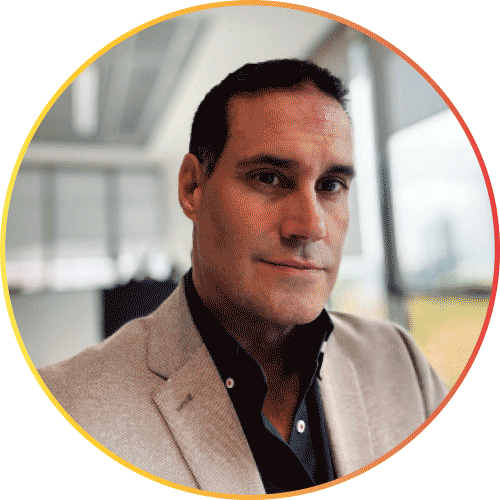
Global Digital Strategy Lead

As systems are becoming more autonomous, you must keep in mind the possible risks in order to use these systems safely and responsibly in your work. The main risk is losing visibility as to what AI is doing. That’s why you have to supervise, validate, and understand the process. The key is taking advantage of its capabilities without giving away all control.
Julio de Moreta warns of the danger of giving AI more access than necessary without being aware. ‘Running AI agents with local access to our equipment, credentials or personal information is not a good practice. The safest way is to work in controlled cloud-based corporate environments, such as the Exolum one, where there are layers of security, traceability, and control. You can take advantage of the capabilities offered by AI, but always in environments where access and data are well-governed,’ he concludes.

Beyond work, AI has also become a useful tool in our daily lives as it’s capable of helping organize trips or activities, facilitating the learning of complex concepts, supporting the management of personal finances, and even preparing for interviews and improving skills. However, this increase in capability comes with a greater need for responsible use as its impact on personal decisions is becoming more and more direct.
Trends
‘Proximity gives people back their time and strengthens social ties‘
For Carlos Moreno, proximity is key to the future of major cities. His 15-minute city concept has become an international reference for gaining time and quality of life, reducing travel, and making cities more habitable and sustainable.
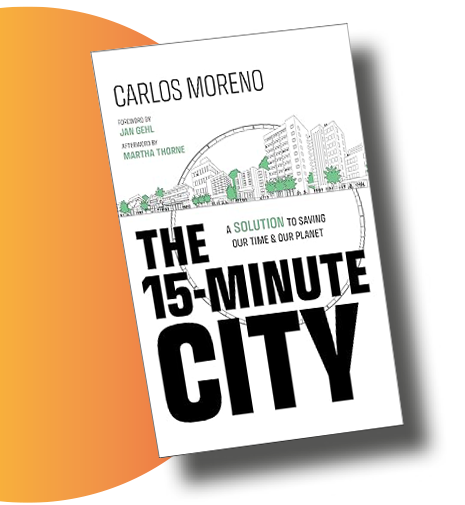
How do we want to live in our cities? This is one of the great challenges of the 21st century which is being dealt with by Carlos Moreno, one of the most influential urban planners in the world. Born in Colombia in 1959, he’s been living in France since 1979. A professor and researcher, he’s the Scientific Director of the Entrepreneurship, Territory, Innovation Chair at the IAE Paris Sorbonne Business School. Author of the book ‘The 15-minute city’, this expert has advised leading politicians and professionals all over the world.
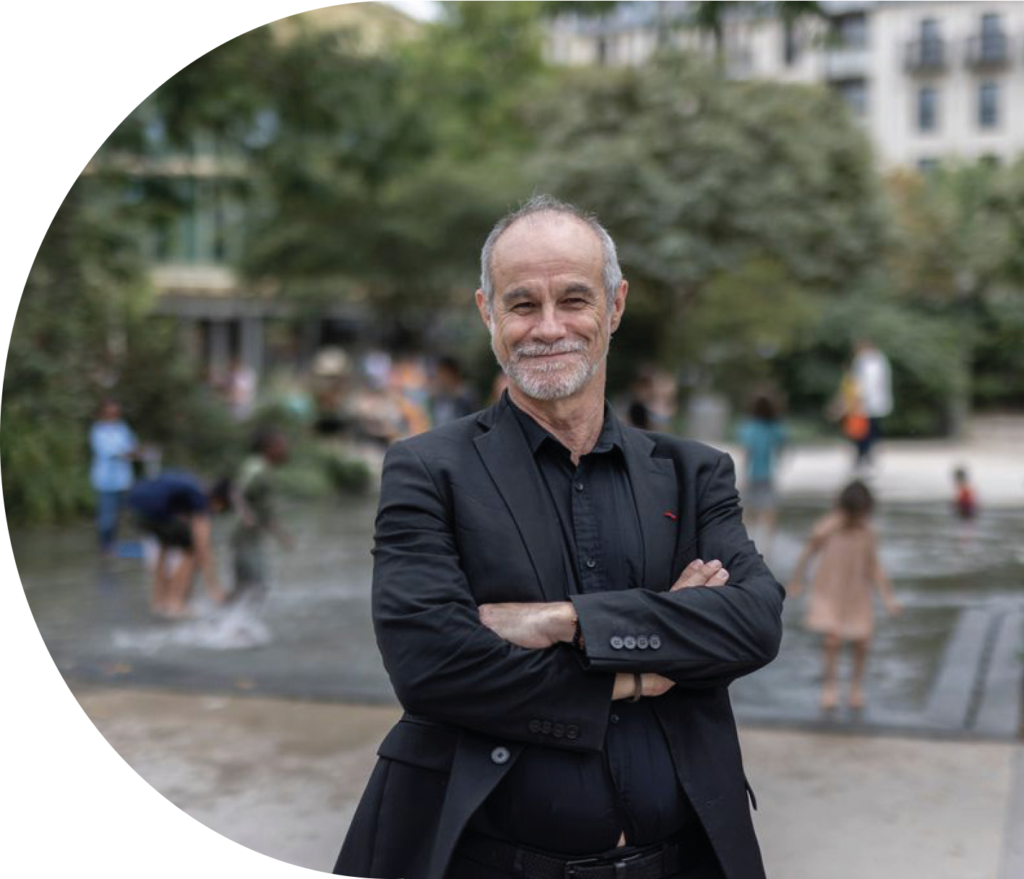
Carlos Moreno,Professor and Researcher at IAE Paris Sorbonne. WRI Ross Center Prize for Cities
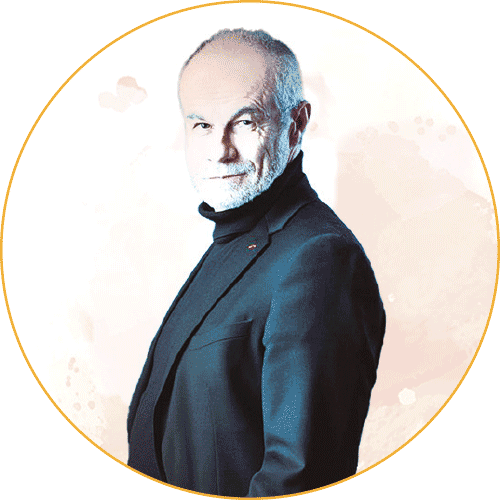
URBAN PLANNER
How would you define the 15-minute city?
It’s an urban model that aims for people to access life’s essential functions – living, working, learning, caring, supplying, and enjoying- at a close distance either on foot or by bike. More than a question of distance, it’s a question of time and quality of life.
What would be the most transformative change?
Proximity, because it gives people back useful time and strengthens social ties.
Where are we coming from as far as town planning?
For decades, our cities have been organized around speed and spatial specialization: neighbourhoods for sleeping, areas for working, and large shopping centres for consumption. This model increased distances and dependence on cars.
What does a 15-minute city offer?
New organization based on accessibility and daily quality of life. It doesn’t seek to reduce the size of cities, but rather bring opportunities and services closer so everyone can have more time for themselves, their families, and their communities.
The structures are different in each country. How can quality of life be improved in neighbourhoods?
There is no one recipe, but there are some common principles: mixing urban uses, reinforcing public services of proximity, enhancing public spaces, creating more green areas, and facilitating active mobility. It’s also essential to support local commerce as well as cultural, educational, and sports facilities so each neighbourhood can be more complete, inclusive, and alive.

What’s the key to achieving this?
Working based on people’s daily lives: when a family can find a school, a healthcare centre, a park, a library, or a nearby shop without needing to travel large distances. It’s also important to rehabilitate quality public spaces where people can meet up and create community.
Do these actions require major construction work?
No. Usually just gradual transformations that bring immediate benefits for social cohesion, health, and sustainability.
Some critics of 15-minute cities talk about the danger of isolation.
It’s an erroneous interpretation. A 15-minute city is not a closed city, but rather open and connected. The idea is not to restrict mobility, but rather provide more options. People will continue to travel for work, leisure, culture, or personal relationships but they won’t be forced to travel long distances to meet their basic needs. The goal is to make getting around the city a choice, not a constant obligation.
One of the most complex aspects is the time it takes to go from the place where you live and the place where you work.
The solution lies in combining several strategies: fostering teleworking whenever possible, developing activity centres throughout the city, bring employment and homes closer together, and enhancing public transport. Not all travel will go away, but we can reduce long, mandatory trips that take up time, energy, and quality of life. Decreasing this time is not just a mobility issue; it’s also about well-being, productivity, equality, and public health.
To what extent can regular citizens have a voice in urban transformation?
Citizens are the fundamental actors. They know the strengths and weaknesses of their neighbourhoods better than anyone. Not only should they be consulted, they should also actively participate in designing projects and defining priorities. The most innovative cities are the ones that combine political leadership, a commitment from businesses, and citizen participation to build shared and long-lasting solutions.
What is needed to make this concept a reality?
Changes in daily habits that require dialogue and co-responsibility. The 15-minute city is not a project that’s to be imposed from above, but rather a collective construction based on trust and democratic participation.
Paris is one of the cities that has expanded cyclist infrastructures, has recovered space for pedestrians, made several neighbourhoods greener, and reinforced local facilities. ‘Perhaps the primary lesson is that urban transformation can be done progressively and tangibly,’ says Carlos Moreno. ‘Beyond infrastructures, the change has consisted of placing quality of life and human time in the centre of urban policy. That’s the real essence of a 15-minute city.’
‘The goal is to make getting around the city a choice, not a constant obligation’
Safety and Health
Wellness

little changes, big results
Improving your health, energy, and concentration without any major effort or investment: this is the promise of biohacking, a trend that suggests optimizing the body and mind through minor day-to-day adjustments that are quite useful and even more so with the summer heat.
The term biohacking comes from the idea of modifying or adjusting the biological functioning of the body to enhance its performance. Although it may sound futuristic, many of the practices are everyday and accessible. From enhancing sleep quality to boosting concentration at work, this approach seeks to apply scientific knowledge to daily habits in order to get real, tangible results for one’s physical, mental, and emotional health.
Some elite athletes have already begun making these biological modifications. Serbian tennis player Novak Djokovic has adjusted his diet, which is gluten-free, to his genetic profile so as to improve his digestion and boost his energy and recovery capacity. And USA basketball player LeBron James uses hyperbaric chambers for muscle recovery.
The Los Angeles Lakers star combines advanced technology, extremely strict nutrition, and optimized rest.
These famous figures have made these and other techniques popular, but some can be added to our daily routines without using advanced technology, such as thermal regulation.
Adjusting the body’s thermostat
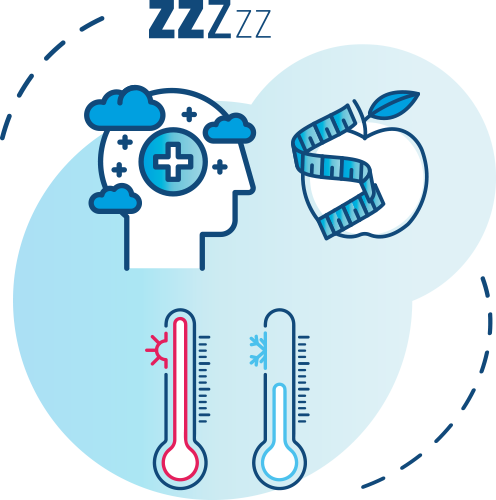
One of the most common biohacking practices is thermal regulation, which exposes the body to high temperatures –cold or hot– in a controlled manner to produce adaptive responses that strengthen the immune system, improve blood circulation, reduce inflammation, and encourage concentration. This favours performance, recovery, and well-being.
OPTIMIZING SLEEP
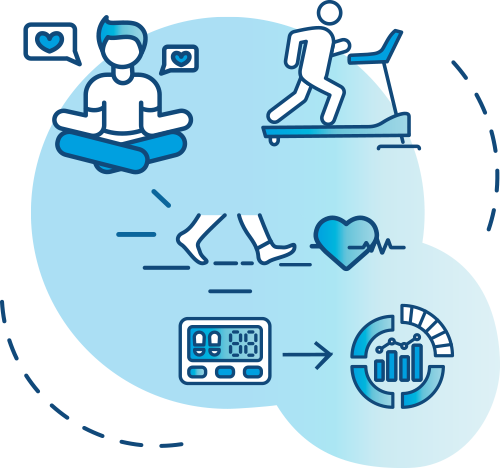
Sticking to regular schedules, avoiding screens just before sleeping, and controlling room temperature are habits that significantly enhance nighttime recovery.
PRIORITIZING STRATEGIC NUTRITION
Lowering the consumption of ultra-processed foods, incorporating anti-inflammatory foods and exploring things like intermittent fasting are easy adjustments with a direct impact on people’s energy and well-being.
BREATHING CONSCIOUSLY
Controlled breathing techniques help reduce stress, increase lung capacity, and enhance concentration.
USING WEARABLES AND TECHNOLOGY:
Devices like smart watches and tracking rings can give you information on your sleep, cardiac frequency, and physical activity to make better health-related decisions.
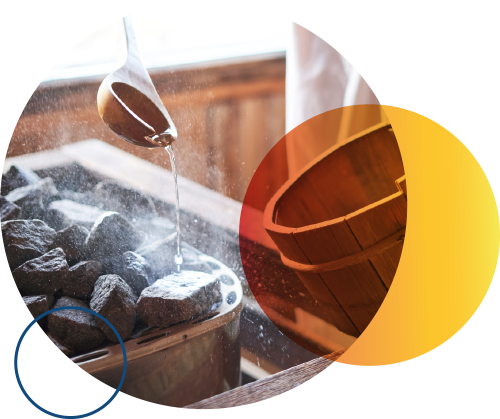
If you live or travel on holidays to an area of the world where it’s cold in July and August, your ally just might be the sauna, which is great for the immune system. Regular sessions lasting 15-20 minutes are associated with cardiovascular improvements and a higher production of heat shock proteins, which help repair and protect the cells. A long hot bath offers a similar effect on a lower scale, not to mention the fact it can help you fall asleep better.
Sari Arponen, a doctor in biomedical science and expert in microbiota, says exposing yourself to the cold or heat using common sense and in respect of your individual circumstances will improve your health because a bit of discomfort makes you stronger.
A combination of both stimuli is the most effective. The thermal contrast boosts the benefits of each of them separately: it intensively boosts blood circulation and produces a notable sensation of energy and mental clarity.

Cold water is the answer to thermal regulation during the hot summer months. All you have to do is end your everyday shower with 30 seconds of nearly cold water, gradually increasing the coldness.
Various studies link this practice with greater activation of the nervous system, stress reduction, and better muscle recovery.
Those who wish to go a step further can try ice baths or professional cryotherapy.
Safety
Safety Day: reinforcing our commitment to safety
Coinciding with World Day for Safety and Health at Work, we organized a new edition of our Safety Day on 28th April.
With two sessions — one in Spanish and another in English — we reflected upon the most important value at Exolum: safety.
The event featured the participation of our CEO, Javier Goñi, who reminded everyone that safety is an unwavering principle in our way of working. ‘There’s no operational objective, financial result or deadline that can ever justify compromising on safety,’ he pointed out. Moreover, along with Jesús Manso, Global HSSEQ Lead (present for both sessions), the message was reinforced that safety is created every single day through our decisions and conducts, supported by our Safety Foundations and the field leadership programme FVCC (Field Verification of Critical Controls).
Along these same lines, Ricardo Ribó, HSSEQ Lead, and Adriana Sánchez-Cervera, COE HSSE, presented the initiative ‘Be Conscious’, a tool designed to help identify, manage, and prevent risks through one simple invitation: to stop, think, and ask before acting.
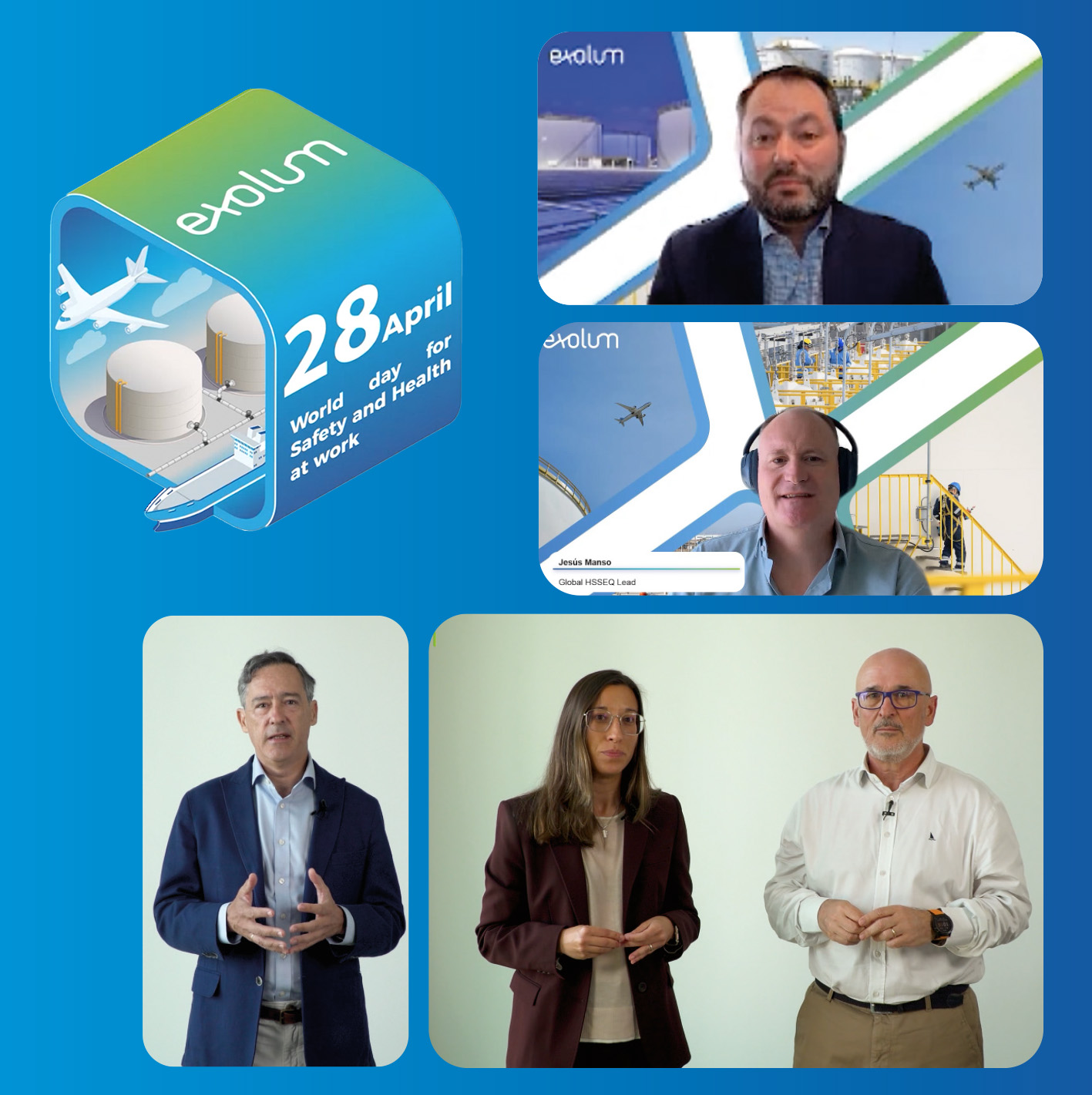
The top row: Alan Edwards and Jesús Manso. The bottom row, left to right: Javier Goñi, Adriana Sánchez-Cervera and Ricardo Ribó.
The session also included a practical activity aimed at reinforcing awareness for safety
in all facets of our lives, both on and off the job.
As for the session in English, Alan Edwards, NWE HSSE Lead, presented the initiative Excellent Safety Coaching, through which the H&S team shadowed top-tier teams to find out about their daily challenges and bolster safe practices. ‘They’re not here to audit or inspect: you can relax, trust, and work together,’ he said.
The entire event was a reminder that safety doesn’t just depend on processes or tools. It’s a shared responsibility that’s a part of our culture and which guides each of our decisions.
If you still haven’t seen the event, you’re encouraged to access the recordings to get all the main messages shared during the conference.
Involved
FEEL green
Celebrating World Environment Day: Do something now!
Every 5th June is World Environment Day, an initiative promoted by the United Nations which invites us all to reflect upon the impact of our actions and the role we all play in caring for the planet.
With the slogan ‘Acting today to guarantee tomorrow’, we observed this day at Exolum as a reminder that little things also count and that each action contributes to building a more sustainable future.
To celebrate this year, we handed out plantable recycled daybooksto our teams in Spain. The covers can be planted after being used as they contain petunia seeds, which gives them a second life.
Small gestures can have a positive impact!

Did you know charging your mobile phone at night can unnecessarily consume energy? Most of today’s devices reach their full charge long before the night ends. Disconnecting the charger when no longer needed or using smart charge functions or timers are easy ways to lower energy consumption. Little habits like this can really make a difference. Add them to your daily routine!

DE&I
Proud to encourage diversity and inclusion
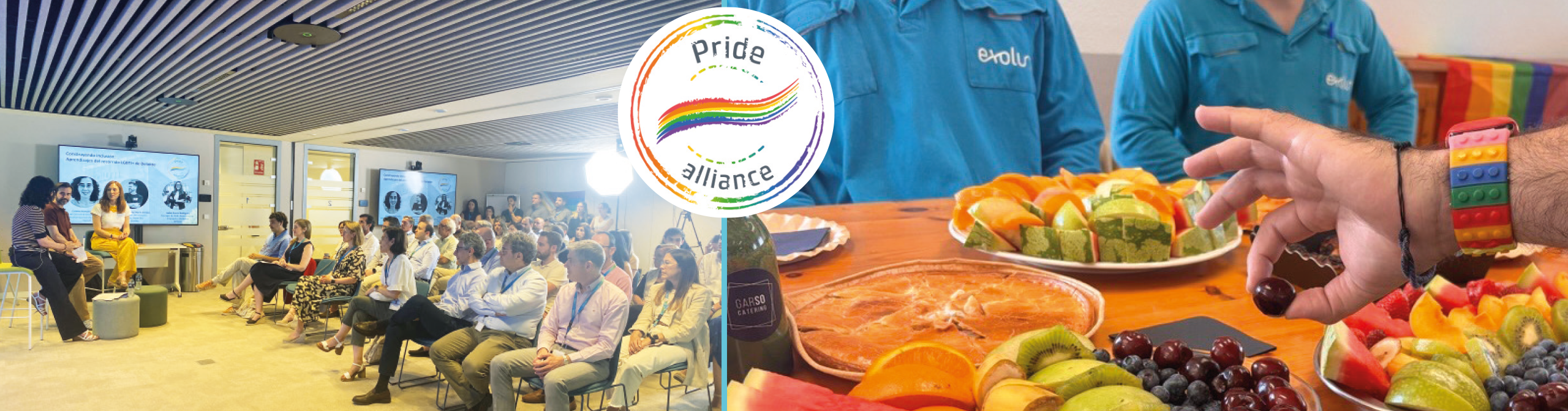
Once again this year, we celebrated International LGBTIQ+ Pride Day with different initiatives throughout the month of June to reaffirm our commitment to creating an ever more inclusive, respectful, and diverse work environment.
Some of the activities organized during Pride Month included two sessions focusing on spreading awareness for the LGTBIQ+ community, and reflecting upon their reality on the job.
On the Iberian Peninsula, we organized the webinar ‘Building inclusion: learnings from the Deloitte LGBTI+ experience’ during which several professionals from that firm shared their experiences promoting diversity and inclusion initiatives, as well as developing their affinity network.
And as for NWE, we put on a webinar entitled ‘Inclusion of bisexuals: how to manage identity at the workplace, which featured the participation of Jennifer Wilkinson, President of Pride Alliance at NWE, along with representatives of other organizations who shared experiences and best practices.
And, for the third year in a row, we organized our now-traditional Rainbow Breakfasts, forums for meeting and discussion that foster dialogue and awareness with regard to inclusion of the LGTBIQ+ community. We also shared the Ally Guide, a practical resource for promoting more inclusive environments, and invited all employees to endorse the Pride Alliance Manifesto and include the Pride logo in their email signature lines as a showing of support and commitment.

‘Understanding my sexuality stopped being a matter of labels and became a process of acceptance and honesty with myself,’ explained Jennifer Wilkinson in an interview published on the Exolum intranet. Jennifer recalled how coming out of the closet was a ‘very emotional and rather terrifying’ experience despite being fully supported at all times by her family. She how feels proud to contribute to the creation of forums where everyone can feel safe, respected, and represented: ‘Nobody should feel alone simply because of who they are’.

Encouraging generational diversity with the Next Gen programme
To mark Diversity Day, we highlighted the richness that comes from various generations working together at Exolum. Learning from each other is one of the best ways to keep growing as a team.
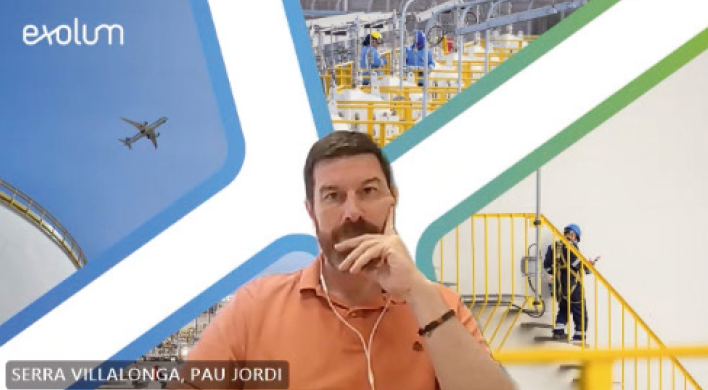
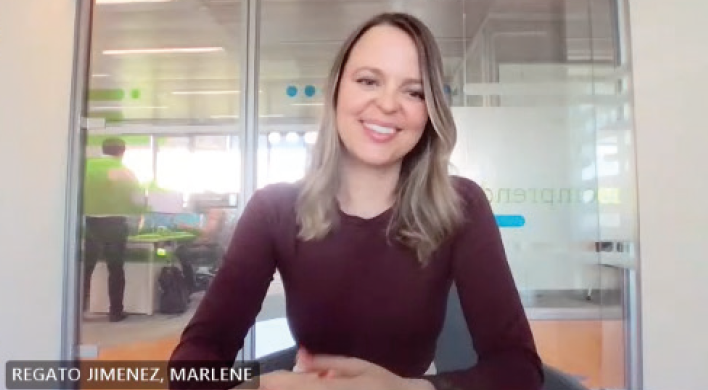
Next Gen programme is an initiative involving reverse mentoring and two-way learning that connects people from different generations and areas of the company to share points of view, experiences, and different ways of understanding work and our values.
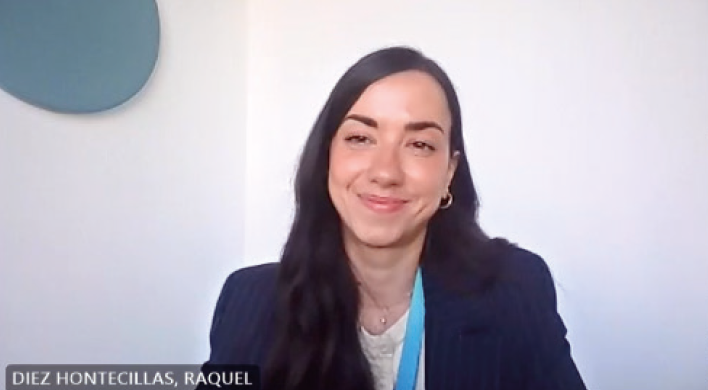
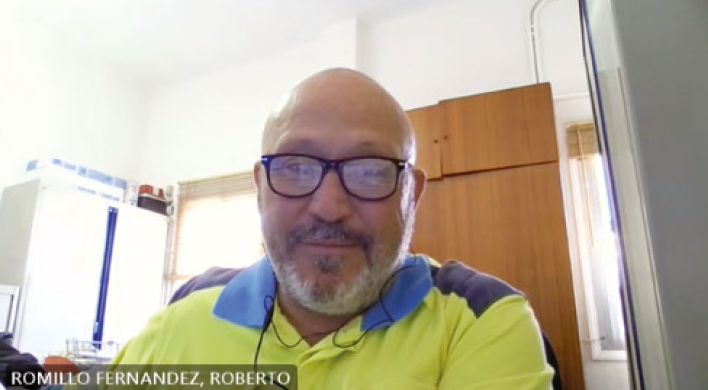
In 2025, fourteen people in Spain participated in this initiative. Two of our most veteran professionals, Roberto Romillo and Pau Jordi Serra, as well as two professionals from the younger generations, Raquel Díez Hontecillas and Marlene Regato, shared their experiences during a webinar in which they discussed the value of mutual learning.
The four agreed on the importance of combining the knowledge and experience of all senior professionals with the capacity to innovate and dominance of new technologies shown by the younger generations. As Raquel mentioned, ‘When you forget about all the bias and combine the best of both generations, you get better results.’ Her colleague in the programme, Roberto, added, ‘The key is becoming a team as everything adds up and multiplies.’
For Marlene, ‘generational differences are not a barrier but rather an opportunity to complement and learn from each other’. On the other hand, Pau concluded, ‘A good team is all about personally understanding each other and having mutual trust.’
Thanks to everyone who got involved in this initiative!
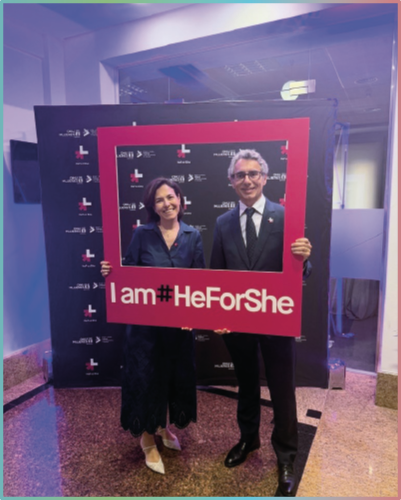
Those of us at Exolum have joined the UN Women Spain HeForShe movement, which is a global initiative that invites men to use their influence to promote gender equality and foster active participation in building a more equal society.
HeForShe aims to get people, companies, and institutions involved as agents of change, promoting a shared commitment to move forward towards more inclusive, diverse, and equative environments.
This initiative is aligned with our Diversity, Equity, and Inclusion (DE&I) strategy through which we encourage a culture based on equal opportunities, inclusive leadership, and active participation so that every single professional can develop to the full potential at work.
FEEL BETTER
Encouraging young talent along with the Queen Sofia Higher Music School
We’ve reinforced our commitment to education, talent, and cultural patronage through an agreement with this reference international institution which trains young musicians. The agreement supports their academic and professional development.
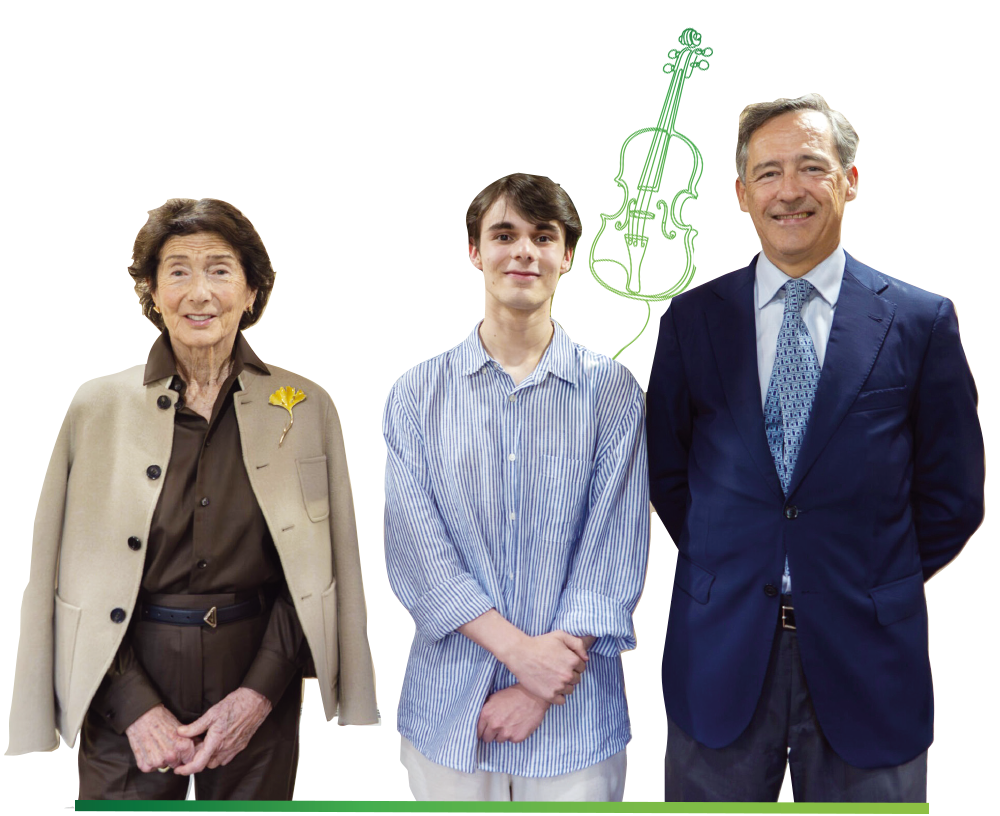
In line with our aim to make a positive impact on society, we’ve signed a convention with the Queen Sofia Higher Music School to expand our ongoing collaboration and fund a scholarship to facilitate access to outstanding musical training.
The Exolum Scholarship will be granted annually to students with great artistic potential. The beneficiary this first year was young violinist Diego Sánchez Mangas. ‘This scholarship is a unique opportunity for me to develop musically and personally surrounded by artists and professors of the highest quality, all while getting to know and making connections with many people in the world of music,’ he said. ‘I dream of being able to make a living from my music and sharing it with as many people as possible,’ he added.
During the agreement signing event, the founder and president of the Queen Sofia Higher Music School, Paloma O’Shea, underlined the importance of support from companies and institutions so as to keep on offering new generations of musicians training at the highest levels. ‘We joyfully celebrate Exolum joining us as a patron,’ she indicated.
On the other hand, Javier Goñi, CEO de Exolum, stated, ‘This agreement is a way to reaffirm our commitment to education, encouraging young talent, and promoting culture as a driver of progress. Actively assisting with the development of future generations is one of the responsibilities companies have in society.’
With this initiative, Exolum is continuing to foster projects that contribute to educational, cultural, and social development in addition to supporting talented young people so they can become their best.
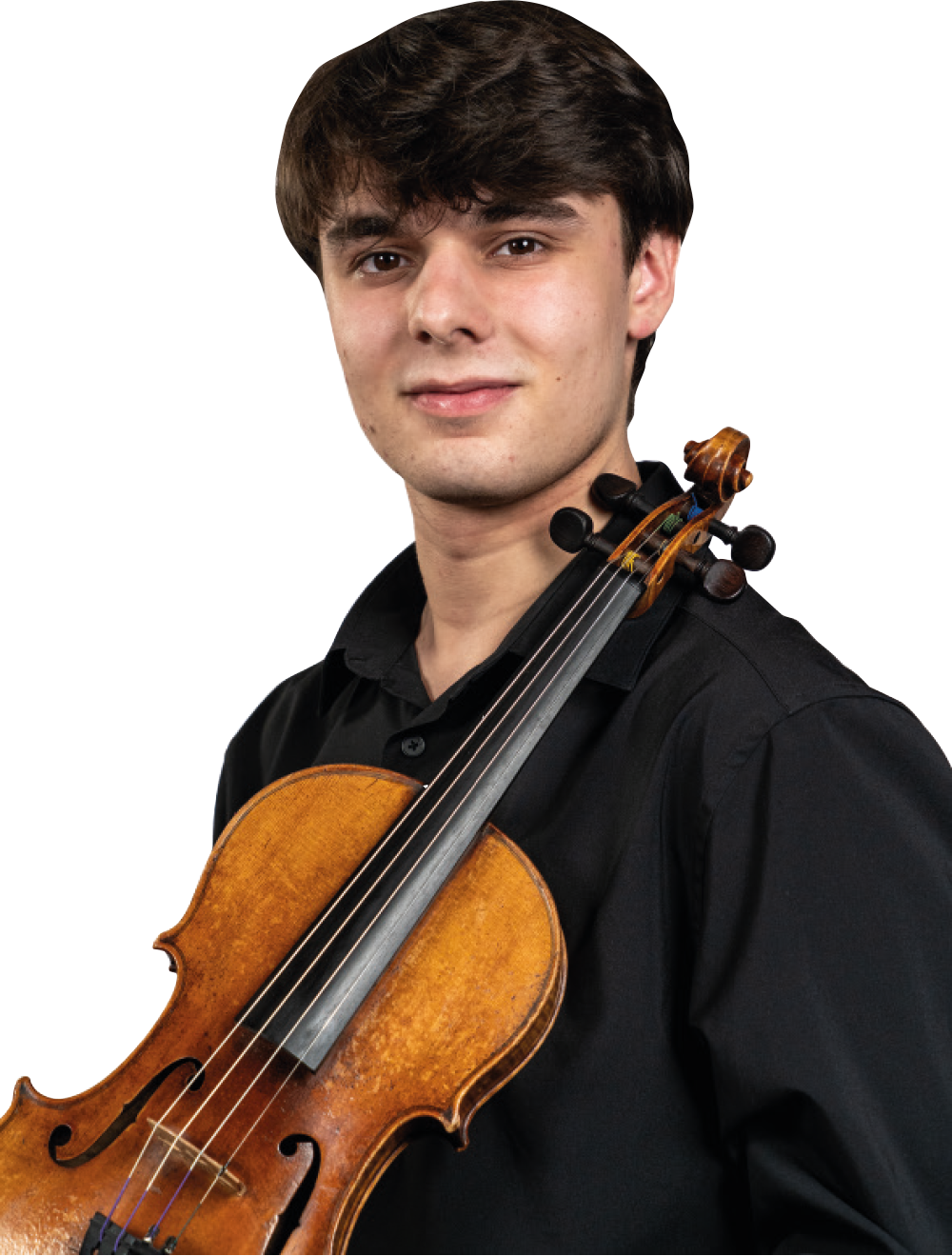
Diego Sánchez Mangas
Violinist
‘I dream of being able to make a living from my music and sharing it’

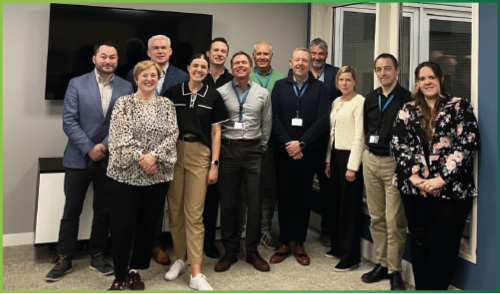
We’d like to congratulate Joanne Howard, People & Payroll Coordinator for NWE, who was named the new president of the Mental Health First Aid Committee (MHFA), taking over for Jamie Cadden, whose leadership has helped create a more open and friendly culture with regards to mental health.
What’s more, for Mental Health Awareness Week, the NWE leadership team participated in the workshop entitled ‘Supporting Mental Health at the Workplace’, an initiative that allowed them to find out first hand the impact of the MHFA programme and reflect upon how to continue promoting their teams’ well-being.
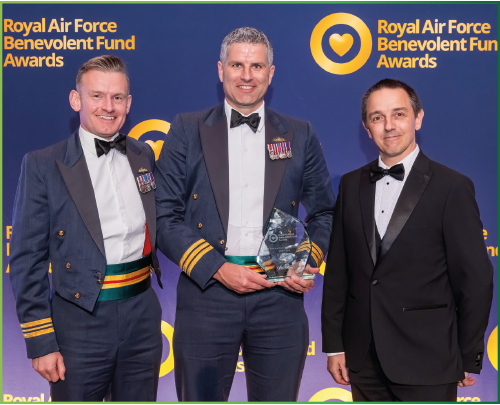
Once again this year, we supported the RAF (UK Royal Air Force) Benevolent Fund Awards which were held in London for the fourteenth year.
During the ceremony, Paul Scullard, NWE Director of IT/OT, handed out the Formation or Squadron of the Year award to the No. 27 Squadron based at RAF Odiham. Plus, Exolum was a finalist in the Special Recognition category.
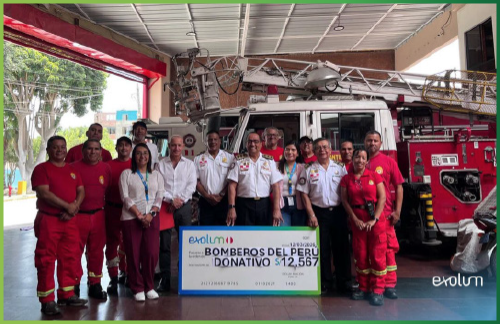
We believe in the value of those who dedicate their time and effort to caring for others. That’s why we’ve made a donation to the 5th Fire Department Command of Callao in recognition for the work the men and women in the General Corps of Volunteer Firefighters of Peru do each day.
With this support, we’d like to also contribute to their families’ well-being. Our colleagues Mario González and Jacqueline Cerna represented the Exolum team in Peru during the ceremonial event.
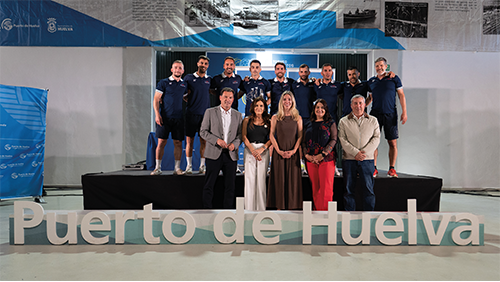
From 14th to 16th May, we participated in the 29th City of Huelva Interport Tournament which is the largest sporting event in the Spanish port sector. The tournament gathered professionals from the 28 Port Authorities and Ports of the State to celebrate sports, a sense of community, and teamwork.
Our participation reflects Exolum’s commitment to collaborating and strengthening ties among sector professionals. We’d like to thank the Port of Huelva for organizing the tournament and particularly, our Facility Head, María José Muñiz, for promoting this initiative at Exolum.
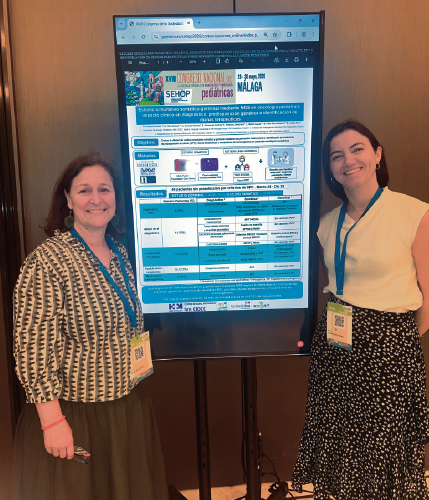
As part of our Social Action Plan, we collaborate with the INTHEOS Foundation by helping to fund a childhood cancer research project being carried out at HM Montepríncipe University Hospital.
Thanks to the application of genetics, more than 57% of all participating paediatric patients have received direct clinical benefits. Moreover, the project is contributing to the development of more effective and less toxic treatments so as to improve the therapeutic options available to patients.
With initiatives like this, we are continuing to support projects that make a positive impact on society and help make progress in medical research.
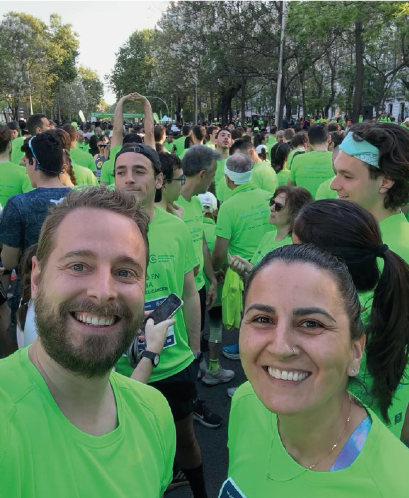
In April, we participated in the 13th Madrid Run-Walk Against Cancer to support the work done by the Spanish Association Against Cancer.
Under the motto “Taking A Step”, Exolum employees were part of a charity initiative that gathered nearly 35,000 participants in the streets of Madrid to support research, accompany patients and family members, and promote cancer prevention.
Our participation reflects Exolum’s commitment to initiatives that help enhance people’s quality of life, and make a positive impact on society.
DISCOVER
Travelling: The Great Human Adventure
As the summer holidays arrive, so does the peak season for tourism. Here are a few interesting facts about this activity, which has such a long history.

People were already travelling for pleasure back in Antiquity. They would travel to attend festivals, go to spas and thermal baths, and enjoy events such as the Olympic Games in Greece.

In the Middle Ages, cities like Santiago de Compostela, Rome and Jerusalem would welcome thousands of pilgrims which led to the rise of special routes, inns, markets, and services designed for travellers.

“Taking a trip” to learn became quite the trend among Europe’s rich youth in the 17th and 18th centuries. On their Grand Tours, they’d visit cities such as Paris, Venice, Florence, and Rome to immerse themselves in art, languages, and culture. This custom consolidated many of today’s classic destinations.

In 1841, Thomas Cook organized one of the first group package tours, which was an idea that forever changed the way people travel and led to the creation of travel agencies.
IF YOU NEED MORE CONNEXION…