


Share this issue of conneXion and promote the pleasure of reading
We want to hear you
@ExolumNWE
We’ve opened a new account on X (formerly, Twitter) for North West Europe! Don’t miss out on any of Exolum’s news and follows us.
Note: some links included in this magazine redirect to internal communication channels and may only be viewed by Exolum personnel.
All content copyright © 2021 Exolum. All content is credited to their respective contributors. You may not use the material for commercial purposes or reuse the content in any form without permission.
PUBLISHED BY
Exolum
MANAGEMENT AND COORDINATION
Mavi de Lamor
José Antonio Galán
CONSULTANCY, EDITING AND DESIGN
ATREVIA Publicaciones
In this issue
Sari Arponen
Fran Barajas
María José Bartolomé
Nacho Casajús
Diego Domínguez
Rafa Fernández
Carmen García
Rubén González
Javier Goñi
Cristina Jaraba
Mavi de Lamor
Steve Land
Benoît Lamothe
Julio de Moreta
Gorka Penalva
Roberto Robles
Editorial
Celebrating success in fast-changing markets
‘Our progress has come against the backdrop of fast-changing energy markets around the world’

rowth is a word we hear often, but behind every successful project or client win are countless plans, spreadsheets, and presentations that never move beyond the planning stage.
It is right that, as a business, we set a high standard before taking projects forward. They must be feasible not only from a technical and engineering perspective but also from a commercial one. That makes it even more impressive that, in recent months, Exolum has made delivering these projects almost routine. Whether it is operations at Charles De Gaulle Airport, new partnerships with companies like Moeve, or groundbreaking projects such as our new sustainable aviation fuel facility at Redcliffe Bay, each one is a concrete step forward.
This progress has come against the backdrop of fast-changing energy markets around the world. In North-West Europe, the decline of domestic oil refining and challenges for local chemical production have left these markets at their weakest in years.
But with this shift comes new opportunities. Flexibility, creativity, and agility are key.
At our site in Immingham, in the east of the United Kingdom, we have identified new opportunities, such as caustic soda. New restrictions in the metal content for water treatment has increased demand for caustic soda. By responding quickly to tight timelines, we secured a new client and strengthened our position in a previously small market by delivering a new hub. This was only possible thanks to the Immingham team and the project group, who delivered under pressure and demonstrated how agility and collaboration meet customer expectations for speed, precision, and cost efficiency.
The approach we took at Immingham was just the latest demonstration of that capability.
On the opposite side of the United Kingdom, on the banks of the River Mersey at Eastham, our terminal master plan highlighted a clear shift: customers won’t wait for infrastructure to be built to meet their needs. They need rapid responses to capture short-lived market opportunities, especially in fast-moving sectors like renewable diesel.
Acting on that insight, and trusting our teams, we took the decision to approve projects that carried some commercial risk but addressed recurring requests from the market. The outcome? Full capacity booked before commissioning.
Every success has its champions, but these results reflect collective effort. There is growing confidence in our ability to adapt and deliver, to take advantage of new opportunities. It is important to recognise and celebrate each achievement along the way.
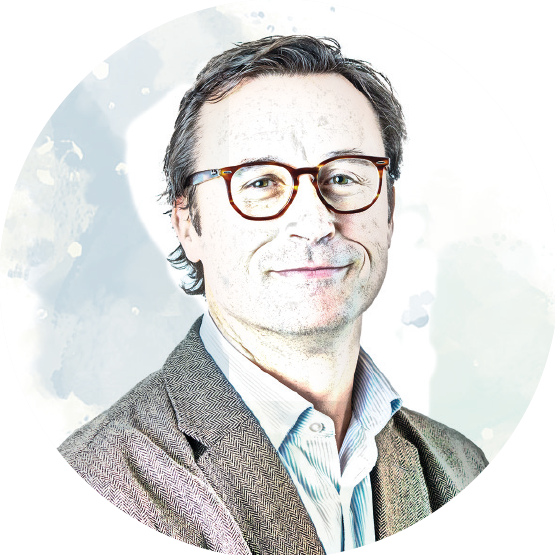
NWE Commercial Lead
About us
we move on
We’ve landed at the Düsseldorf airport with an investment of 70 million euros
We’re moving forward with our internationalization process. We’ve been awarded a 20-year contract, extendable to 25, to build and manage a new sustainable fuel storage and distribution plant at the Düsseldorf airport, the fourth largest in Germany.
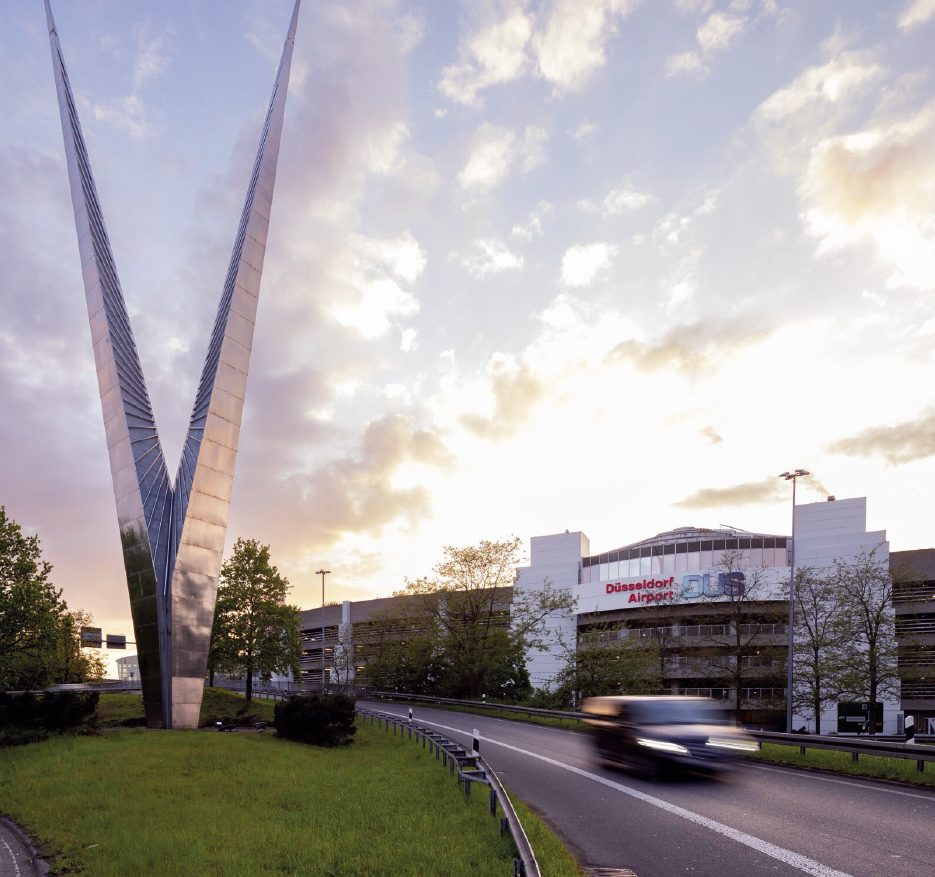
We’ve strengthened our presence in Germany. We won the tender to build, operate, connect and maintain the new fuel storage and distribution terminal at the Düsseldorf airport, where we’ll be investing 70 million euros.
The infrastructure, the construction of which will begin in the third quarter of 2026, will replace the two current storage plants and increase the storage capacity to 9,000 m³, some 41% more. In addition, it will enable greater use of sustainable aviation fuel (SAF) and sulphur-free kerosene, thus reinforcing the airport’s commitment to decarbonization.
Connection to the railway system
When the plant is commissioned in the second quarter of 2028, it will be connected to the railway system. Thus, by late 2029, most of the fuel will no longer be transported by road but rather by train, which is more environmentally friendly. This will make it possible to also supply the airport from refineries further way, such as the SAF production plants in Rotterdam. This will reduce CO2 emissions, lower the load on the roads and increase operational efficiency when fuelling, loading and unloading.
We’ll operate this terminal for 20 years, extendable to 25. Afterwards, the infrastructure will become the property of the public airport administration, Flughafen Düsseldorf GmbH (FDG).
Opinions
n the words of our CEO, Javier Goñi: ‘Exolum aims to guarantee reliable and efficient fuelling with the highest level of quality at the Düsseldorf airport. Our company provides extensive knowledge and solid experience managing terminals at dozens of airports in Europe and the Americas, which we’re now making available to this airport and its users.’ He also indicated that the new terminal will facilitate the supply of SAF, which must account for 6% of the total by 2030, in accordance with the European ReFuelEU directive.
Lars Redeligx, CEO of the Düsseldorf Airport, also expressed his satisfaction with the agreement: ‘Our objective is to be one of the best airports in Europe in our category in terms of quality, efficiency and, of course, sustainability. In order to achieve this, we need solid partners with a forward-looking vision and a high level of technical knowledge, just like Exolum.’
For the CEO of this infrastructure, this alliance means accessing sustainable fuels from completely new sources and replacing thousands of road tankers each year which are currently arriving by highways and motorways, transferring this volume to rail transport.
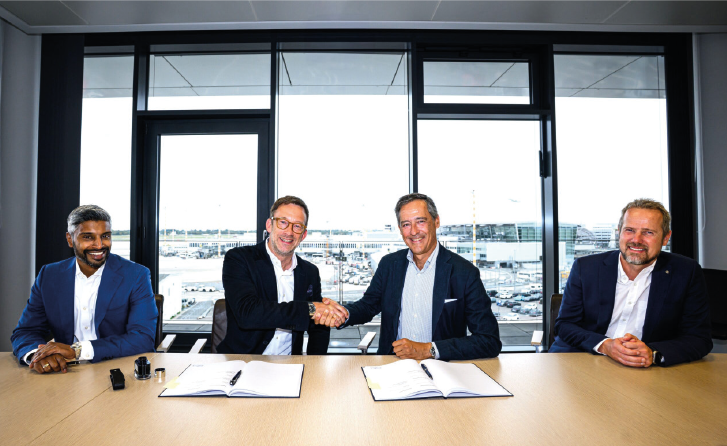
Lars Redeligx, CEO of the Düsseldorf Airport, to the left, and Javier Goñi, CEO of Exolum, signing the agreement.
The Düsseldorf Airport is the main one in the Rhine-Ruhr metropolitan area, serving cities like Cologne, Bonn and Dortmund, as well as most of the state of North Rhine-Westphalia. It’s located in the most heavily populated area of Germany, with 10 million residents, one of the major economic and financial centres in central Europe. The airport plays an essential role in meeting the mobility needs of the people in this region, as well as part of The Netherlands and Belgium. During the summer, more than 60 airlines operate here and connect more than 165 destinations around the world.
who we are
We’re driving sustainable aviation in the United Kingdom with the first independent SAF blending plant
We’re investing 4.5 million pounds (more than 5 million euros) to create the first independent sustainable aviation fuel blending plant in the United Kingdom. This facility will be the first of a network of similar blending sites throughout the country.

We’re innovating to be more sustainable. Exolum will invest 4.5 million pounds to develop the first independent sustainable aviation fuel (SAF) blending facility in the United Kingdom.
SAF is a biofuel that can be blended with conventional fuel to be used in aircraft without needing to modify the engines, which makes it possible to significantly lower carbon emissions.
In the case of the new plant, pure SAF will reach the port of Bristol by boat to be transported by pipeline to the Redcliffe Bay facility. There it will be stored and blended in situ to be distributed through our pipeline network ready for use. The project includes adapting tanks, installing pumping and filtering systems, and implementing next-generation blending technology.
Our facility, the first of a new network
The new centre will be the first of a network of hubs which will create an ‘SAF motorway’ in the United Kingdom, as they will be connected to the 2,000 kilometres of pipelines we manage in the country.
Thanks to this project, we’ll be able to distribute sustainable fuel to key airports like Heathrow, Gatwick, Bristol, Exeter and Cardiff, thus facilitating SAF producers’ and importers’ access to the market.
The plant will be operational in 2026 and enable the annual supply of an equivalent of 65,000 flights between London and New York.
Steve Land, North West Europe Lead, explained, ‘The investment in Redcliffe Bay will turn the United Kingdom’s ambitions of achieving more ecological flights and reinforcing its global leadership in sustainable aviation into a reality.’
‘This project is a step forward in building a more sustainable, more secure and more competitive energy model’
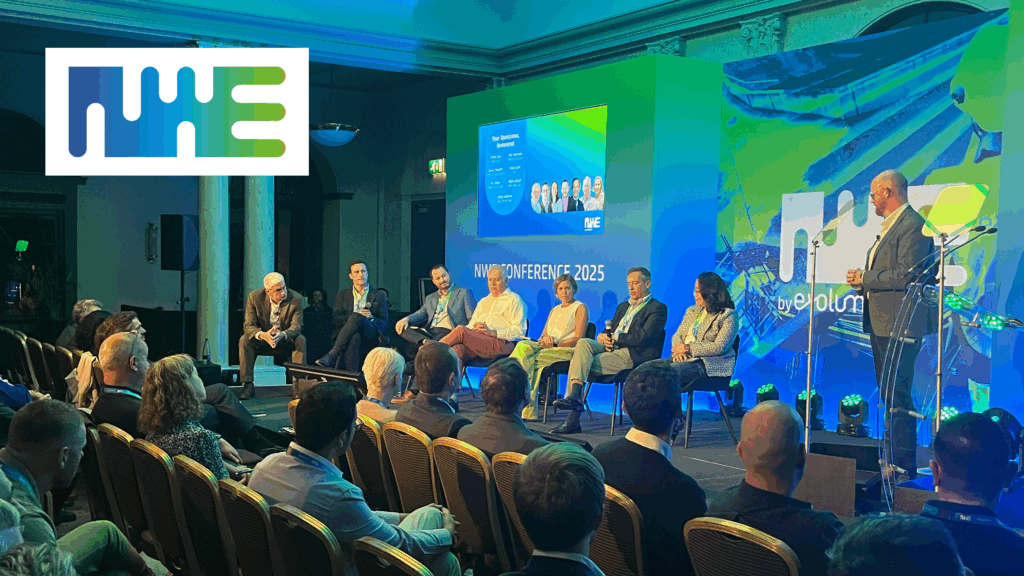
We’re underpinning our strategic vision at the 2025 NWE Conference
More than 120 managers from the United Kingdom, Germany, the Netherlands and Spain gathered in the British city of Leeds to address the challenges and opportunities facing our business. Together we grow more!
Queens Hotel in Leeds hosted the ninth NWE Managers Conference. Under the slogan ‘Growth, Optimization, Efficiency and People’, we shared our progress, reflected upon the future of our company and strengthened ties.
The opening remarks were given by Ed Gill. Javier Goñi, our CEO, talked about the Exolum strategy, the evolution in the global energy market, and the importance of fostering a sense of belonging.
Safety was another major theme. Yvette Davis and Alex Lupu reviewed what has been learnt in the risk prevention sector over the past two decades. On the other hand, Steve Land, NWE Lead, analysed this year’s results and the opportunities for growth, highlighting the role of internal talent in achieving our goals.
The themed sessions provided a chance to delve deeper into the three pillars of the event. Gorka Penalva led a group dynamics exercise related to commercial growth while Mark O’Neill, Dan Stirland and Simon Furphy presented initiatives associated with operational efficiency and sustainability. The block dedicated to people, moderated by Jenny Vallance, was an opportunity for some young talent to share their experiences and reflect upon the value of development programmes. To close, various managers took questions concerning the energy transition, artificial intelligence and training.
Thank you all!
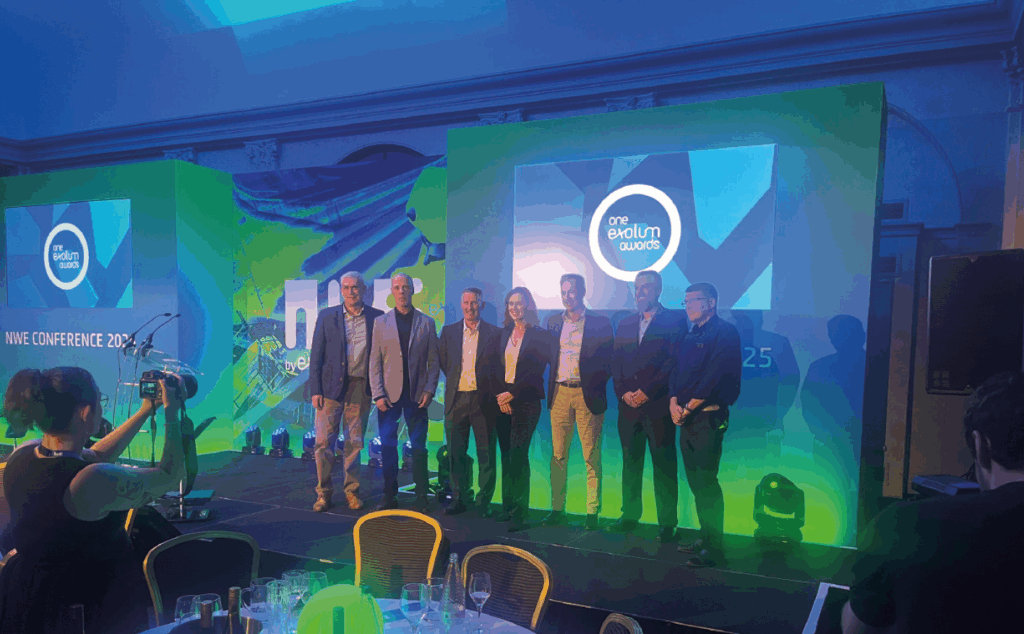
The night before the conference, the 2025 One Exolum Awards were handed out in recognition of the NWE people who best represent our values: Safety, Leadership, Trust and Innovation. Chris Turner, Rodney Clarke, Paul White and Günter Maager were the recognized as the award winners in a ceremony hosted by journalist Lee McKenzie. Full of emotions and pride, the event highlighted the positive impact of these professionals on corporate culture.

United along with the UME emergency military unit against the heavy rain on Ibiza. Thank you all!
The intense rain on 30th September on the Balearic Islands flooded our Ibiza facility. With our teams’ rapid mobilization and the intervention of the Emergency Military Unit (UME), this critical situation was quickly resolved, proving the power of collaboration.
At 4:00 a.m., the Exolum team activated all safety protocols but could not stop the flooding due to the strength of the precipitation and the fact that a torrent overflowed nearby. ‘With the Emergency
Plan activated, we received assistance from the UME and Exolum colleagues in Majorca, Menorca and Zaragoza,’ explains Antonio Galván, the head of the facility.
The UME brought in three high-powered lorries and 25 people worked non-stop at our plant. ‘Without their help, we would have taken several days to do what we were able to do in just a few hours,’ says Antonio.
Thanks to this joint effort, there was no water left the next day meaning the clean-up could begin. Before 6:00 p.m. on 1st October, our road tankers were already loading fuel as always. We wouldn’t have been able to do it without your solidarity and commitment!

Following the summer holidays, we celebrated our first 100 days of operations at the airports in Lima and
Paris-Charles de Gaulle, where we’ve been managing fuel storage and distribution since last June.
This period has been key to proving our ability to successfully adapt to complex and demanding operational environments, thus strengthening Exolum’s reputation as a global reference in liquid fuel logistics. We’d like to recognize the professionalism, effort and commitment shown by all the people and teams involved, led by Mario González in Lima and Benoît Lamothe in Paris.
Thanks for proving that excellence at Exolum is not just a goal, it’s the way we work.

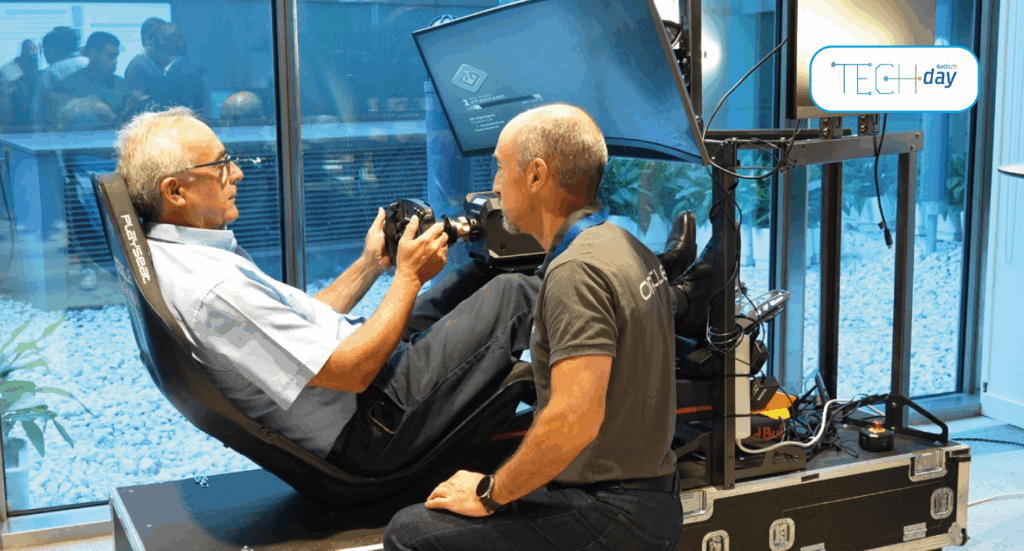
Exolum Tech Day, a commitment to innovation and talent
In September, we celebrated the first Exolum Tech Day at our headquarters. It was a day marked by technology and a fun atmosphere during which we invited colleagues to find out how innovation is revolutionizing the Oil & Gas sector.
On Exolum Tech Day, we enjoyed live demos of Industrial Internet of Things (IIoT), generative AI, robotics and industrial sensing. We also tried out the F1 simulator and immersed ourselves in challenges that put our ingenuity to the test.
We also attended top-quality presentations in which colleagues from our Digitalization, IT and OT teams participated in addition to representatives from some of the most innovative companies today, such as Bravent, Knowmad, Sensa, Oracle, Telefónica and Fossa Systems. These experts talked about how new technologies are transforming the way in which we operate, make decisions and evolve.
Our CEO, Javier Goñi, closed our first Exolum Tech Day which was marked by a desire to drive innovation.
Thanks to every one of you who made it possible!
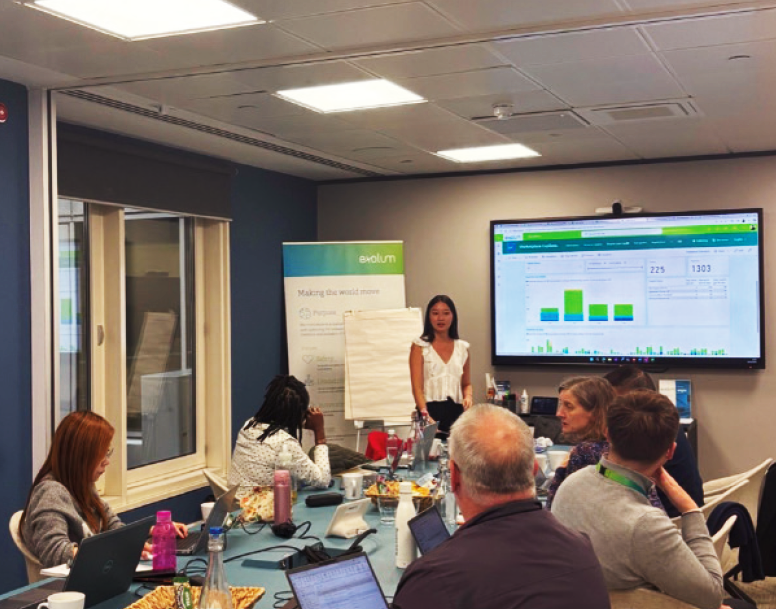
We’re moving forward with our commitment to the digital transformation by organizing practical workshops focusing on the use of artificial intelligence (AI) and process automation at our offices in London and Madrid.
The workshops were led by Lorenzo Chávez, Miriam Sollars and Alejandra Bethencourt, from the Digitalization team. They presented key tools for optimizing repetitive tasks, enhancing operational efficiency and fostering creativity. These types of initiatives make our commitment to a digital culture oriented towards constant evolution even stronger.
Our Sherpa leadership programme was recognized with a Cegos Award
The 16th edition of these awards, which are granted by the international consulting firm Cegos, recognized our Sherpa leadership programme as one of the most innovative talent management practices.
On behalf of Exolum our Global People Lead, Cristina Jaraba, accepted the 2025 Cegos Award for Best Practices in Human Resources, granted by the consulting firm Cegos and the leading media outlet in Human Resources, Equipos & Talento. For more than 15 years, these awards have been recognizing companies and professionals who lead projects that make a positive impact on organizations.
During an event at the Casino of Madrid, Cristina participated in a roundtable during which she talked about the Sherpa leadership programme.
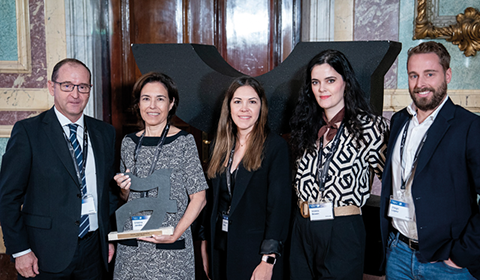
This transformational initiative started in 2024 with the aim of building a more human and inclusive leadership model in line with our global strategy.
More than 200 leaders in seven countries (Spain, the United Kingdom, Ireland, Portugal, Panama, Ecuador and Peru) have already had this experience, creating a common language based on closeness, coherence and purpose. The fact that our programme, which has grown thanks to Violeta Bowen, Claudia Bello and Diego López, among others, was recognized is a real source of pride.
Thanks to Cegos for the award and all the people at Exolum who have made it possible!
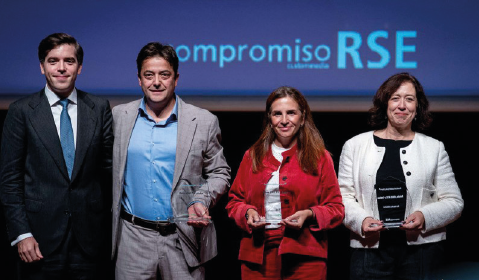
We’re celebrating and would like to share with all of you the two Sustainability Actions 2025 awards we received during the fifth Sustainability Day, a leading sustainability event organized by the publication Compromiso RSE, which gathered more than 800 professionals at the Queen Sofia Museum in Madrid.
The first award highlighted our leadership upon starting the first project in the world to transport and store green hydrogen on a commercial scale at existing infrastructures using LOHC. The second, in collaboration with Holcim and IGNIS P2X, recognizes our work on the pioneering project ECO2FLY, which converts industrial emissions into sustainable aviation fuel.
Irene Lores, Clean Energies Lead, collected both awards, which strengthen our commitment to innovation and a sustainable future. Thanks to Compromiso RSE and the entire Exolum team!
PARTICIPATING
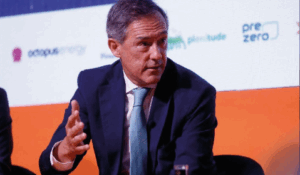
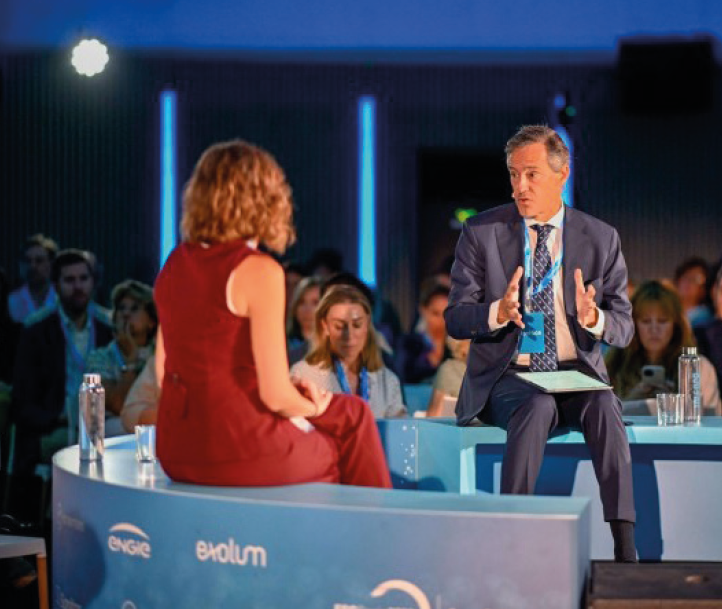
Javier Goñi attended this event which provided the opportunity to reflect upon the role of energy as a strategic pillar in European competitiveness. Our CEO emphasized Exolum’s commitment to the energy transition and underlined our goal of becoming a facilitator for this transition, supporting customers and society through the decarbonization process. He also recalled how it is fundamental to promote the use of hydrogen and sustainable fuels at an equal level as electricity.
Exolum participated in and sponsored ESG Spain 2025, the annual business sustainability event organized by Forética. Our CEO, Javier Goñi, pointed out that ‘sustainability cannot be an isolated thing; it must be at the centre of any corporate strategy,’ and shared our vision of becoming a global energy logistics reference in addition to our strategy for diversifying operations and supporting the energy transition.
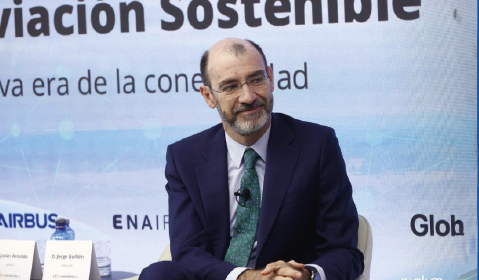
Jorge Guillén, Aviation & Spain Network Lead, participated in this gathering, organized by El Economista, focusing on aviation, innovation, digitalization and sustainability. During his speech, he called attention to the role of SAF (Sustainable Aviation Fuel) in decarbonizing air transport and indicated that ‘the biggest short-term challenge for SAF use are all the different regulatory frameworks’.
OUR EXPERT

María José Bartolomé
Circular Economy
Business Development
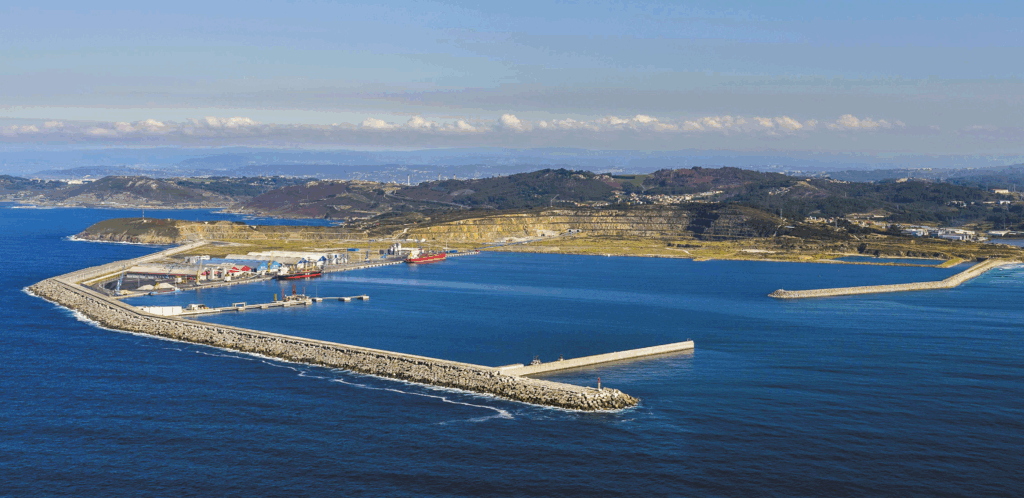
We’re moving forward to facilitate the energy transition in Spain and in Europe. We’ve begun the procedures to build a new liquid bulk storage terminal at the A Coruña External Port (Galicia). Our expert gives us all the details on this project in which we’ll be investing more than 100 million euros.
We continue to take steps to promote infrastructures that are adapted to the new energy vectors in line with our commitment to innovation and sustainability. Our new project at the Punta Langosteira quay, in the municipality of Arteixo, will become an energy transition terminal designed to adapt to evolutions in the market, regulations and industrial demand. The unique feature about it is that it will be able to operate with conventional fuels as well as sustainable fuels, such as renewable ammonia, captured CO2, green methanol, SAF (Sustainable Aviation Fuel), and other biofuels.
The new terminal is a technical complex project. Moreover, due to the type of fuels it will store, the start-up will be staggered. Thus, it is believed operations could begin in 2029.
A step forward in infrastructures
What does this new terminal mean for Exolum? It’s proof of our firm commitment to developing new logistics infrastructures which are needed in Spain in order to handle the challenges and opportunities associated with the energy transition. The A Coruña External Port offers exceptional operational conditions due to its privileged location, maritime accessibility and multimodal connections, making it the ideal enclave for these types of projects.
Development and capacity
Currently in the preliminary procedural phases, the new plant will be designed in line with the strictest of safety, energy efficiency, automation and environmental sustainability criteria, and will sit on two different yet connected plots. Its capacity could reach 160,000 m³ distributed among petroleum products, biofuels, cryogenic CO2 and ammonia.
An ambitious and innovative proposal
The new terminal will be equipped with an Iberian wide gauge railway loading platform directly connected to the national railway network, a terminal connection to two ship berths through a high-capacity pipeline and pump system, and loading islands for road tankers in addition to all the auxiliary operating and safety systems.
The activities planned will range from storage, blending and the dispatch of products such as biodiesel, HVO (hydrobiodiesel), bioethanol, methanol, naphtha, SAF (Sustainable Aviation Fuel), raw materials for biofuels and traditional hydrocarbons, to blending operations involving these products, and their multimodal distribution.
As for cryogenic CO2, the plan is to provide for its reception and storage under pressurized and refrigerated conditions, as well as its maritime or ground dispatch with the possibility of a future pipeline connection. With respect to ammonia, its arrival through the same means, intermediate storage in cryogenic tanks and distribution via different means of transport are all under study.
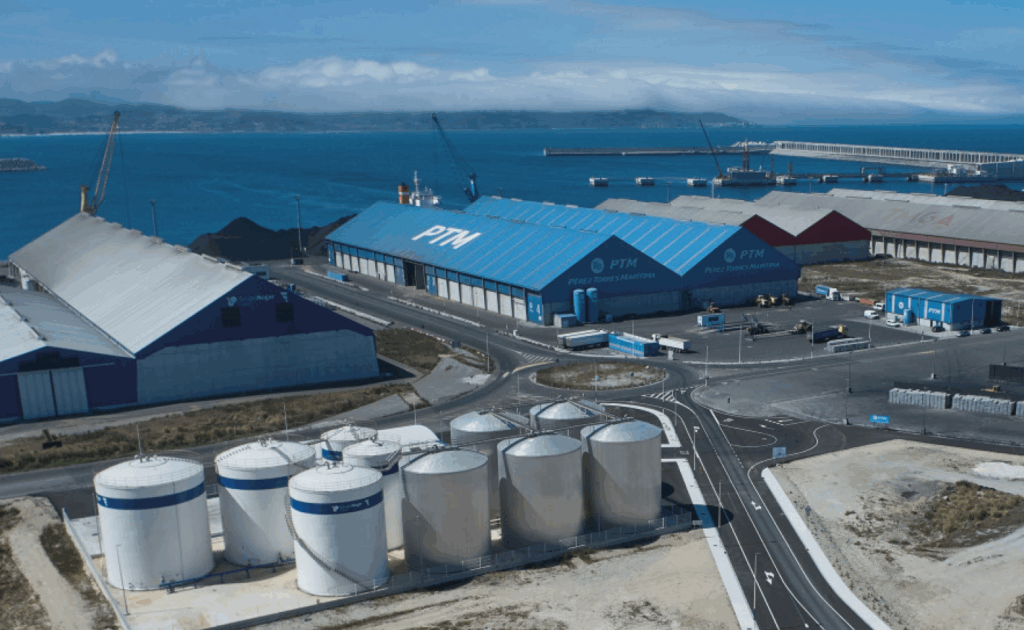

Within this company, we are betting on this forward-looking project with flexible, integrated, multimodal logistics as it will help optimize the regional logistics system, enhance operational efficiency, guarantee a secure and sustainable energy supply for Galicia and the peninsular northwest, as well as position us as a trustworthy partner for the new energy transition plans. With this new terminal, the Port of A Coruña will become a benchmark logistics hub in Spain and Europe thanks to its strategic location along the routes towards northern Europe, the Americas and the Middle East. Furthermore, the facility will contribute to the industry’s competitiveness and the Galician economy, foster the creation of qualified jobs and attract industrial investments linked to sector decarbonization.
“We’re committed to developing new logistics infrastructures in order to handle the challenges and opportunities associated with the energy transition”
What excites us
EXOLUM-LIVE
We’re proving hydrogen can be transported safely and efficiently through conventional pipelines
We’re proud of the milestone we’ve achieved by integrating hydrogen into our energy infrastructures. What follows are all the details on this pioneering project which is speeding up the transition towards a decarbonized economy.
We’re moving forward to lead the logistics of the new sustainable energy vectors! At Exolum, we’ve hit a new milestone which reinforces our role as an innovative company in the sector. As has already been done at our Immingham facilities in the United Kingdom, we’ve proven that hydrogen can be transported safely and efficiently through conventional pipelines in the form of liquid organic carriers (LOHC).
Pilot project between Bilbao and Burgos
As part of this pilot project, we moved 400,000 litres of LOHC across 192 km of pipelines between our Bilbao and Burgos facilities, including it in our daily operations
without any incidents.
The compound transported was methylcyclohexane, MCH, which works like a ‘chemical sponge’ that is capable of storing hydrogen under ambient conditions and releasing it when needed through a catalytic dehydrogenation process.
The LOHC was transported between bundles of gas oil. We were thus able to determine the feasibility of using this new compound, and analysing the fuel quality after having transported it in contact with another liquid—gas oil in this case.
Evaluating fuel quality
To assess the quality of fuel, we analysed samples as part of the project at different points along the route in collaboration with our central laboratory, which confirmed that the transport of LOHC does not alter the pureness or feasibility of the final reaction to release hydrogen.
As additional proof, we subjected the material transported to a dehydrogenation test at the laboratory with the results equivalent to those of a pure fuel. This testing was done in collaboration with the Leitat Technology Centre as part of the Regenera project, an alliance through which we develop innovative technologies to store surplus renewable energy, and use them in industrial processes to produce green fuels.
Figures that prove success
In the 400 m³ of LOHC transported, nearly 20 tonnes of hydrogen were stored, which is enough to generate approximately 380 MWh of electricity through fuel cells at an efficiency rate of 60%. This energy would equal the monthly electricity consumption of more than 11,000 homes.
Nacho Casajús, Global Strategy & Growth Lead, says this project proves that it’s possible to take advantage of existing infrastructures to speed up the inclusion of hydrogen in our energy system. ‘It’s a step forward towards building a more sustainable, more secure and more competitive energy model,’ he indicated.
“This project is a step forward towards building a more sustainable, more secure and more competitive energy model”
The results underpin the feasibility of using currently operating pipelines and tanks to boost hydrogen as an energy vector. We’ve proven that the current liquid hydrocarbon transport infrastructure can be safely and efficiently adapted for hydrogen, which opens up the doors to the profitable storage and distribution thereof.
Our alternative with LOHC offers a flexible and affordable solution, and represents major progress towards decarbonizing the industrial sector in addition to making a relevant contribution to the debate on energy policies in Spain and Europe.
Meeting...
'I’m proud of the team we’ve created between Spain and France'
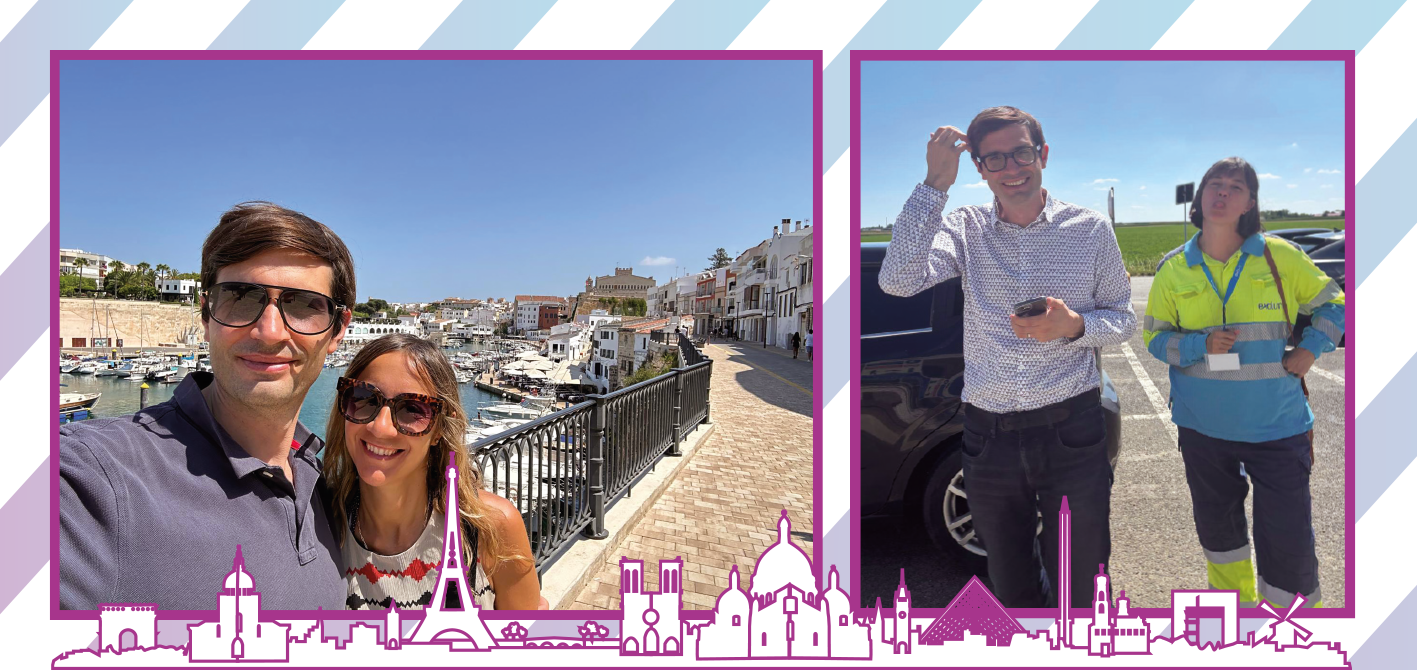
When he joined Exolum, Benoît Lamothe was the first employee of our company in France. And the only one. In just a few months, our facility at the Charles de Gaulle Paris airport has taken off strong. In this interview, Benoît highlights the Exolum spirit of joining cultures.
Benoît Lamothe finds motivation in complex projects. They are a chance for him to ‘learn, build a team and make a positive impact,’ he says. An aeronautical engineer with an MBA and experience at companies like Airbus, Benoît does demanding yet stimulating work each and every day, which has created a bridge between France and Spain, a country to which he is bound in two ways: by work and through Carolina, his wife, who was born in Granada (Andalusia). She’s his Spanish sun.
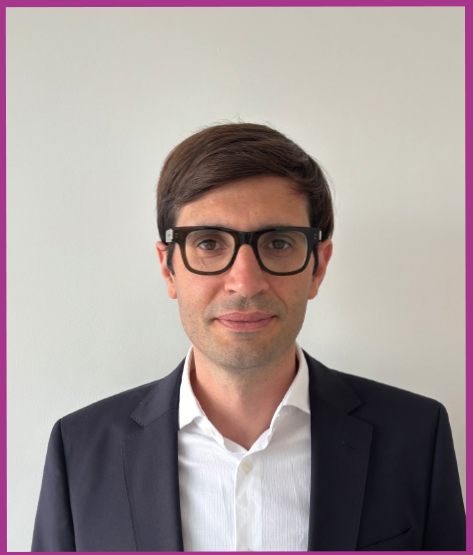
General Manager of the Paris-Charles de Gaulle airport facility.
You’ve been at Exolum for only a short time. How has it been?
These months have been intense and very stimulating. I started out as the first and only Exolum employee in France in a small prefabricated module surrounded by top professionals from the Exolum team in Spain. It was like a small Spanish island in Paris. Nowadays, there are 31 of us and we’ve been handling kerosene distribution at Roissy since 4th June. Seeing how this project has taken shape has been an incredible experience. I’m proud of the team and the spirit of collaboration we’ve built between Spain and France.
Can you describe your first impressions of our company?
From the very first day, I’ve really felt a part of the Exolum family. I was welcomed with friendliness, trust and a lot of cooperation. I discovered a corporate culture based on respect, listening and shared responsibility, values with which I completely identify.
What does your work involve? What’s your day-to-day like?
As General Manager of the facility, no two days are alike. I accompany my team through their development, we resolve operational, financial, legal and regulatory challenges together, and maintain constant dialogue with the airport, the authorities, and our partners. It’s demanding yet profoundly stimulating work as I can go from everyday concerns to strategic matters and policy in just a few minutes.
What would you highlight about your team?
The implication, resilience and commitment shown by each one in a view to achieving our mission of serving the airport. The team was formed in a mixed manner with half coming from the former concession, and the other half new hires. And the entire team came together at the time of transfer. I’m thrilled that the doubts some had prior to this transition quickly faded away at the start of operations.
How do you imagine Exolum’s future?
I envision a very promising future. The company has proven its ability to successfully grow in different places around the world in just a short time: Lisbon, Lima, Paris, and now Düsseldorf. I have full confidence that France will continue to be a part of Exolum’s international development.
We’d like to get to know you a bit better. How would you define your personality?
I’m a person who enjoys challenges and changing environments. I’m motivated by complex projects, through which I can learn, build a team and make a positive impact.
What hobbies do you have outside work?
I’m interested in the world of financial markets. I follow the evolution of the stock markets because it helps me understand how the world moves and how global decisions have an impact on daily life, which makes it possible to understand the human dynamics behind it all.
How do you disconnect?
Enjoying good company. I love gastronomy, trying new dishes, cooking and discovering new restaurants. It’s my way of disconnecting and enjoying the small pleasures in life.
What would your perfect weekend look like?
There’s nothing like walking along the sea, a good meal and being with my wife, Carolina, my Spanish sun who brings joy to my life. Simple moments to recharge my batteries, regain energy and feel grateful for everything in my life.
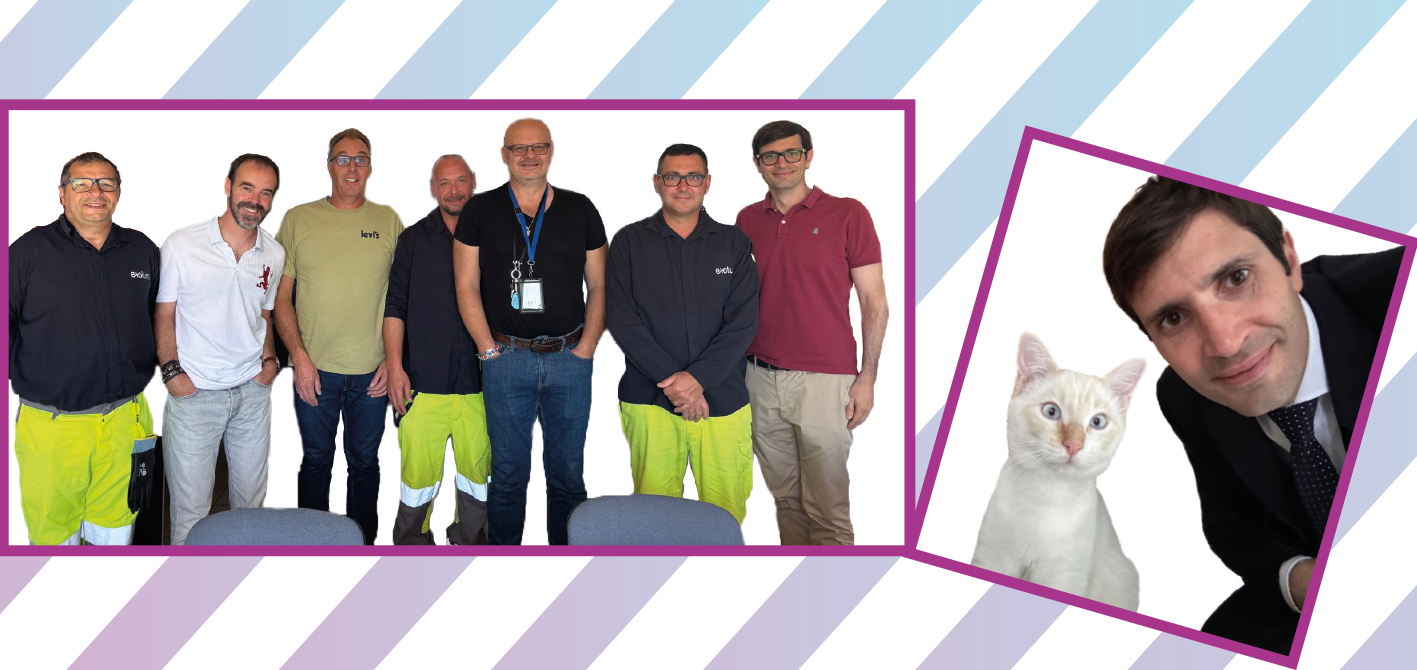

‘At Exolum, I discovered a corporate culture based on respect, listening and
shared responsibility’

One favourite place:
Granada, where my wife’s from.

One food:
Orange duck.

One song:
With or without you, by U2.

One film: L’Auberge Espagnole, by Cédric Klapisch, which is a real reflection of how I discovered Spain.
TransformACTION
GROW
We’re making progress together with five new global People policies
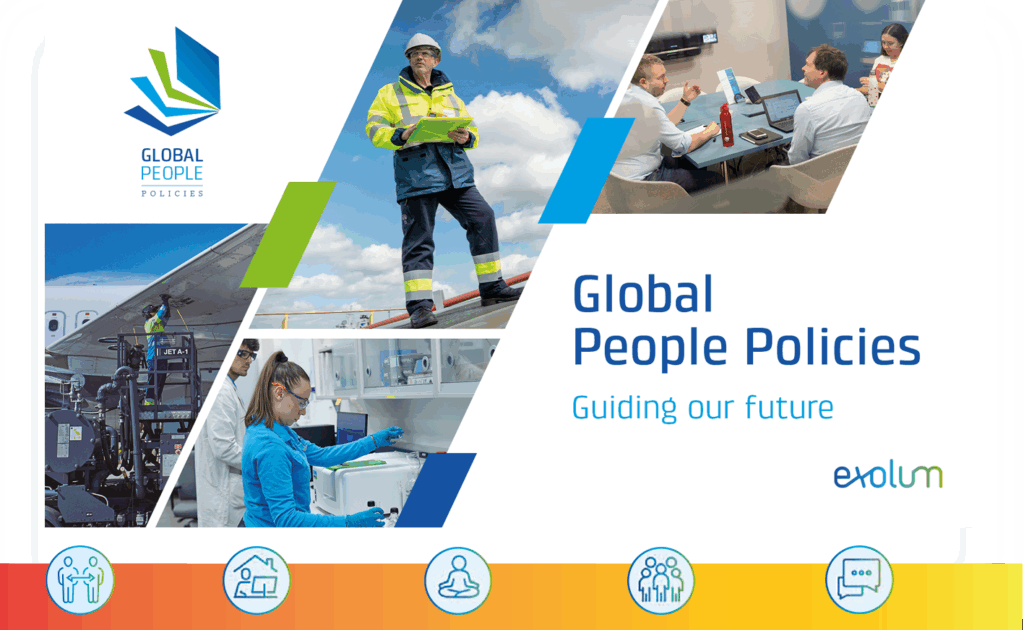
We’re strengthening our commitment to people by adding five new global policies to foster wellness, flexibility and equity.
We continue to unify our human resources practices, and create a more cohesive organizational culture by launching five new global People policies.
This ambitious and transformational project is allowing us to create a common framework for talent management in all the countries where we operate, all while guaranteeing compliance with local regulations.
Our global People policies are clear, accessible, and aligned with our values. They promote equal opportunities, transparency, and an enriching employee experience.
These new policies have been added to those already approved with regard to Job Equality, Diversity, Equity and Inclusion (DE&I), and Internal Communication.
In the coming months, we will continue to work on adding new policies because, together, we make Exolum the best place to work!
The five new policies

The referral policy: it encourages people at Exolum to recommend candidates with whom they’ve worked or studied, who share our values and commitment, so they can be hired when a vacancy suitable for them opens up.

Hybrid and remote work: it makes it possible to combine in-person and remote work, depending on the role and the provisions of local policies in each country so as to foster flexibility and support.

Wellness: it reinforces our commitment to good physical and mental health, a personal balance, and a good work atmosphere, including health and wellness training programmes.

Meetings: it promotes agile and useful meetings that respect everyone’s time.

Candidate interviews: it establishes guidelines for conducting objective and inclusive interviews that are aligned with the Exolum values to ensure discrimination-free selection processes with diverse panels.
From thought to action: it’s how we turn ideas into projects
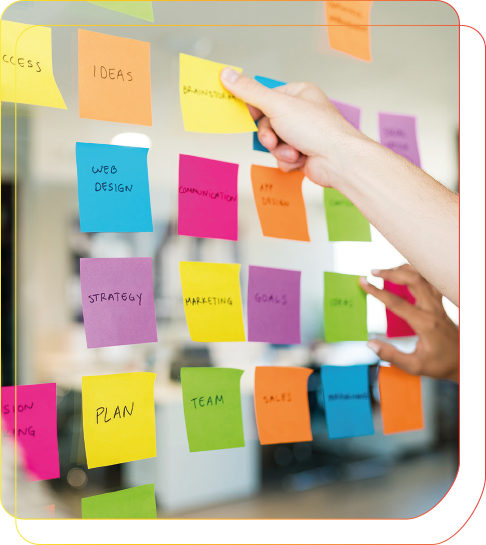
The QBR process drives transformation at Exolum in a coordinated and strategic way, making sure each project contributes to our shared goals.
At Exolum, every single idea counts. But, how do you decide which to turn into real projects? The answer lies in QBR (Quarterly Business Review), the corporate process that allows us to prioritize initiatives in a structured way, align resources and make progress towards the targets included in the Annual Operating Plan (AOP), the annual review of our four-year strategic plan.
Initiatives must be linked to an area of the company. Only those that require resources from various areas go through this process, which is comprised of five phases:
Registration: the person with the idea enters it in the Service Centre with all the basic information and identifies the sponsor who will provide support throughout the process.
Assessment: the assessor analyses the feasibility, strategic fit and technical capabilities needed.
Assignment: the Portfolio Manager validates the documentation, assigns resources and completes the strategic assessment.
QBR Prioritization: the PMO organizes the prioritization process along with the Leadership Team.
Additionally, innovative ideas or those in an exploratory phase may be sent to R&D&I for further shaping before going through the formal process.
This way, QBR not only guarantees the most valuable proposals receive the necessary boost, but also promotes a culture of collaboration and agility.
We’re betting on growing together!
networking
Protect your personal information when you use AI

Artificial intelligence has become just another tool to be used in our daily lives. We use it both in our personal lives and professional lives, but is it putting our privacy at risk?
Artificial intelligence (AI) is still in an emerging stage, meaning it must be used with caution. Its potential offers many benefits, but also some challenges in terms of privacy and cybersecurity.
As a business, it’s important to use trustworthy corporate platforms, like Microsoft Copilot, in the case of Exolum. Julio de Moreta, Global Digital Strategy Lead, explains, ‘This tool has built-in advanced protection mechanisms which can be identified by the green shield on the interface. This symbol means our interactions are protected under the highest security standards.’ Microsoft Copilot uses encryption, strict access controls based on identity and data protection policies to guarantee only authorized people may access your information.
What’s more, it does not use your data to train external models or display them outside the company’s secure environment. ‘This means that when you use Copilot, your confidential data remain locked and hidden away from external risks,’ says Julio.
Browsers with built-in AI agents
Beyond professional use AI offers all sorts of possibilities. One of the latest trends are browsers with built-in AI agents. These browsers not only help conduct searches, but can also automatically execute actions on your behalf, which opens up a whole range of possibilities but also involves significant risks.
‘In these browsers, the AI agents may be victims of sophisticated attacks through which cyber criminals hide malicious instructions on websites, which can lead the assistant to make unauthorized purchases or filter private information without the user even noticing,’ clarifies Julio.

That’s why we must be aware of the vulnerability, and protect our information when not in a secure corporate environment.
“Generative chats are like telling your best friend a secret and he or she telling the whole neighbourhood without warning you’”
Personal data in exchange for a better response
Generative chats have become another search engine. To get better responses, we tend to offer them our preferences and personal data without being fully aware that this information may end up in the hands of third parties. Julio de Moreta warns, ‘It’s like telling your best friend a secret and he or she telling the whole neighbourhood without warning you. Plus, we often agree to these conditions faster than what it takes for us to click on ‘OK’ to accept cookies, without even reading them.’
Sharing private data without control through social media and AI generative platforms increases the vulnerability to cyberattacks, such as identity theft, phishing and fraud, and it can affect your personal and professional reputation. ‘It also facilitates mass data mining for invasive advertising, manipulation and surveillance, which erodes the privacy and control of your information. That’s why it’s fundamental to handle data responsibly and preferably use platforms that guarantee protection. And always remember that, if something is free, you’re the product,’ concludes Julio.
Exolum would like to remind you that some AI-based apps and software interact on your behalf, and access a large quantity of user data. This includes your history, browsing habits, credentials, payment methods, and even local files. Although they do so to ‘help you’, all of this information can end up on servers owned by the companies that develop them, putting your privacy and the confidentiality of company assets at risk. All such apps and software must be used very carefully. For example, a malicious site can deceive with AI, giving hidden orders to download malware or disclose data without the user even knowing.
When using corporate devices, only download or install software that has been authorized by information systems management, which comply with intellectual property regulations.
We must be careful and responsible. Cybersecurity is everyone’s responsibility!
Trends
‘We need more nature, rest, movement, and calmness‘

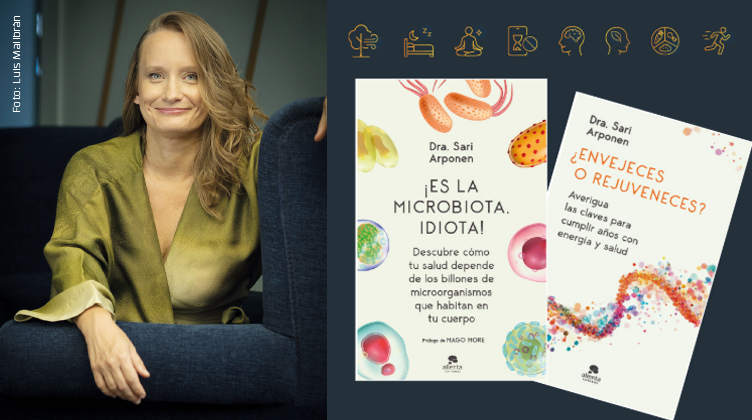
SARI ARPONEN
DOCTOR OF BIOMEDICAL SCIENCE AND AN EXPERT ON MICROBIOTA
There’s one word you’ve surely heard in recent years: microbiota. Doctor Arponen is a leading expert on this group of microorganisms and a front-line communicator, who would like to offer us some valuable guidelines for improving our health.
Sari Arponen believes ‘small positive actions can generate an entire movement of big changes’. It’s just a matter of getting informed, and acting on it, she says. She disseminates health information with scientific rigour, a talent for educating others, and a sense of humour. She is a Doctor of Biomedical Science, an internist, educator, podcaster and a co-founder of the Slow Medicine Institute. Many people know her because of her books, especially It’s The Microbiota, Stupid! (Alienta), a best-seller with which she’s turned those billions of ‘invisible friends’ in our bodies and what they do for us into something we can all understand.
What are microbiota and why are they essential to our well-being?
They’re the range of microorganisms we all have in our bodies especially in the intestine, but also in our mouths, skin and urogenital tract. Microbiota are essential to our health because they fulfil many functions, such as protecting us from infections from harmful microorganisms, producing substances such as vitamins and neurotransmitters, and modulating the functioning of our immune system.
Do our guts have an impact on mental health?
The state of gut microbiota and the neurons in our intestines (enteric nervous system) influence brain function and, therefore, mental health, partly due to the immune system. Another way is through the production of substances such as butyrate, which regulate the functioning of many other body functions. Neurotransmitters are also produced such as serotonin, which does not reach the brain but does have an impact on the vagus nerve, for example, which is the motorway of information between the brain and intestine, as well as other parts of the body.
We eat too much and too often, you say. What would be recommendable for an adult?
Two or three times is enough. We’re living in an era of abundance: there are more health problems in our industrialized society due to higher body weight and obesity than a lack of food. On the other hand, malnutrition does exist to the extent that what people eat is often full of energy but not enough micronutrients.
How do nightly fasts help?
Nightly fasting must last at least 12-13 hours, and ideally more: it’s the easiest way to limit these excesses affecting most of us, not to mention the benefits that go beyond restricting calorie intake.
There’s a lot of talk about super foods. Which foster healthy longevity?
The superfoods in the Pesco-Mediterranean diet are extra virgin olive oil, all vegetables, fish, seafood, dairy products and other fermented foods. Of course, fruit, nuts, spices and aromatic herbs as well as mushrooms can also be considered superfoods.
What we must avoid are all the ultra-processed foods.
Eating well without doing exercise is like throwing the benefits of nutrition out to the rubbish?
Not completely, but a sedentary lifestyle is the 21st century deficiency disease, and a good diet does not compensate for its harmful effects. It’s not enough just to do exercise: you have to move in your day-to-day. Someone who goes to the gym 3 hours a week and then sits the rest of the time or always gets around by car or motorized vehicles is also being sedentary. Oh! And strength exercises are essential!
We all know stress does not help. How does this tension affect our microbiota?
Chronic stress from many factors in life in a modern industrialized society has a negative impact on the microbiota, immune system, brain… What’s most important is realizing what we can get rid of and what we need. And what most people can usually get rid of is an overuse of screens, as well as hyper-productivity. We need more nature, rest, movement, and calmness.
You advocate connections to nature and physical contact with real people? What does that do to the body?
We’re social beings and need hugs, and conversations, and we have a need to feel a part of a tribe. Plus, our microbiota are enriched by these exchanges when we have physical contact with other people. On the other hand, people do not get enough real contact with nature. A good weekend plan is to take a walk through the forest in good company.
‘A sedentary lifestyle is the 21st century deficiency disease, and a good diet does not compensate for its harmful effects’
In her latest book, Are You Aging or Rejuvenating?, Doctor Arponen explains that ‘genetics have a particular impact on the maximum age a person can reach, but aging in good health depends more on one’s habits. Genetics have a 25% impact on longevity.’ Lifestyle (and everything that influences it, such as socioeconomic factors) is much more important. And in that lifestyle, it’s essential to work on habits to turn them into pillars of health.
The 12 pillars of health, from the book It’s The Microbiota, Stupid!

SEGURIDAD Y SALUD
Safety and Health
WEllness
Reusing, a small gesture for a more sustainable life
Giving clothing a second life or reusing furniture is not just a trend. This is an idea consumers are more and more into, as they’ve seen this shopping alternative is more environmentally-friendly.
Choosing second-hand products is no longer something only a few do. More and more people are following this constantly growing trend. According to a study by the second-hand marketplace company Wallapop, 80% of all Spaniards bought or sold reusable products in 2024.
The growing awareness for the climate has opened up new debates on how we relate with the environment, and the weight of our actions when it comes to mitigating climate change. In this context, the circular economy offers more sustainable methos of consumption.


A report published in 2023 by the marketplace company Mil Anuncios claims that, ‘the second-hand market potentially saved a total of 7,606.77 tonnes of CO2 in Spain in 2022, which is the equivalent of the production of 11.7 million plastic bottles’. For this reason, these marketplace platforms present themselves as less contaminating choices when buying what you need.
Every European citizen generated a total of 511 kilos of rubbish in 2023, according to the EU’s statistical office (Eurostat). Nonetheless, lowering this figure could be rather simple with just a few everyday changes.
Buying more consciously and taking advantage of existing resources is one way to start. Little actions like repairing objects instead of replacing them or giving your clothing a second life may mitigate your carbon footprint and help stop climate change.
There’s no doubt the fashion industry is one of the most contaminating in the world. According to the European Environment Agency, the purchase of textiles in the EU in 2020 generated nearly 270 kg of emissions per person.
Aware of the situation, several companies in the sector have developed tools to extend the useful life of clothing. Some encourage second-hand sales or repairs, and others have created garments that are practically organic in composition.
Likewise, committing to a more circular production system, and making new clothing from the remains of previous clothing can be a way to minimize the expenditure of natural resources and free ourselves from contaminating agents.


Engaging in new daily habits is key for progress towards a more sustainable circular economy. Some recommendations for making this change include:
Safety
TIM: digitalizing the management of our storage tanks
We’re taking a decisive step towards the digitalization of our processes by implementing TIM (Tank Integrity Management), a global tool that modernizes the management of the integrity of our storage tanks so as to enhance efficiency, traceability and decision making.
The new TIM tool centralizes all data associated with the lifecycle of our tanks —from their design and operation to inspections, repairs and commissioning— in a single digital platform that is automated and structured. ‘It allows us to globally standardize one of the company’s most critical processes, both due to the impact on CapEx as well as their relevance for our business sustainability,’ explains Rafael Fernández, Operations Lead Asset Management.
The flow of this tool focuses on three modules: database assets, the creation of an annual plan, and follow-up. This structure seeks to achieve more efficient and secure management of our assets to support technical and operational decision making on updated and reliable information. ‘We’re bringing value to the information we generate, which allows us to respond with greater precision and speed, as well as anticipate possible incidents,’ adds Rafael.
Planning for greater efficiency
One of the pillars of TIM is the Annual Plan module, which makes it possible to plan tank inspections in a centralized and automated way. Based on technical and operational data, the system suggests which assets should be inspected each year all while allowing users to review, modify and add new inspections.
Once approved, the Plan is directly integrated in the Follow-Up module to guarantee traceability and regulatory compliance. Moreover, the systems remains flexible to include unexpected inspections and adapt to operational needs.
Follow-Up
The Follow-Up module is one of the key parts of the system, as it is designed to record and manage all the information generated during inspections. It’s a place to document results, attach technical reports, record anomalies, generate action plans for each tank and ensure the necessary repairs are performed.
Each step is reflected in real time, which makes it easier to monitor each inspection and make decisions based on data. Access is segmented by roles, making sure each user —internal or external—only views the information relevant to their role.
With TIM, we’re reinforcing our commitment to innovation and operational excellence by betting on more efficient, more secure and more sustainable management of our infrastructures.
TIM centralizes all the data associated with the lifecycle of tanks, enhancing traceability and making data-based decision making easier

TIM is supported on knowledge that’s accumulated by the technical team in order to include multiple sources of information and processes in a single system. This helps reduce risks, optimize costs and improve inspection planning in addition to offering full traceability of all work done. Moreover, the system can easily integrate new regions and assets, which is a key advantage for future expansion processes.
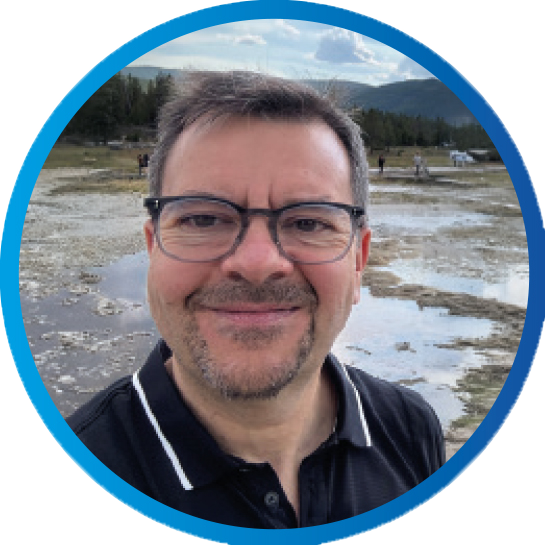
Rafael Fernández
Operations Lead Asset Management:
‘TIM centralizes all the data associated with the lifecycle of tanks, enhancing traceability and making data-based decision making easier.’
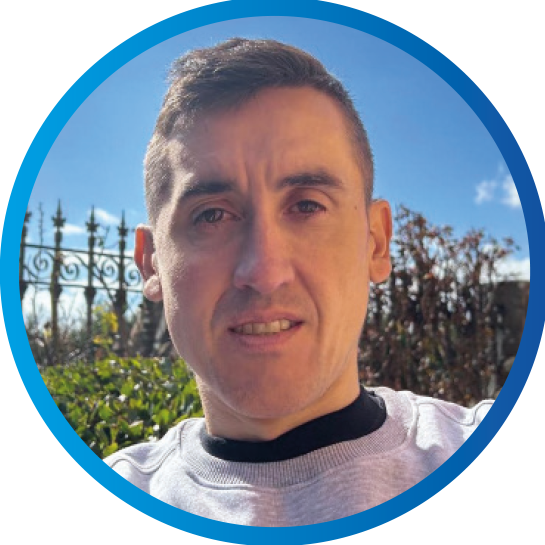
Francisco Barajas
Operations Analyst-Strategy & Reliability:
‘TIM is the result of a collective effort: a system that brings value to our experience and the information we generate every single day.’

Carmen García
Portfolio Manager Global HSSE & Technology:
‘With TIM, we’re changing how we manage our tanks: faster, more secure and smarte
Roberto Robles
Project Developer Global HSSE & Technology:
‘Managing with real-time information makes a difference. More data, better decisions.’
Involved
FEEL GREEN
We got the highest rating on the GRESB 2025 sustainability index!
Our aim of making progress towards sustainability has been rewarded. We received the highest score out of 100 points on the GRESB sustainability index and are now in first place in the European Energy and Water Resources sector.
We have reinforced our position as sector leaders on sustainability. We earned the highest possible score of 100 out of 100 points on the GRESB Infrastructure Asset Benchmark Report 2025, the main international standard on sustainability and governance in the infrastructures sector.
The report ranks us above the average in our sector in all areas scored and reaffirms our position as an international reference for sustainable energy infrastructure management, underpinning our leadership in innovation, operational efficiency and contributions to sector decarbonization.
Cristina Jaraba, Global People Lead, says this result is recognition for how we’ve integrated sustainability in the company’s global strategy and for the solidity of our ESG management model. ‘Getting the highest GRESB score is a milestone that strengthens our position as an international benchmark for sustainability and proves that governance, responsible resource management and a positive impact on our environment are truly the core values of our business,’ she explains.


Electronic device chargers consume energy even when not charging. Do you know how much the set of chargers we make available to you at Exolum for computers, mobile phones and tablets can consume? We’ve done the calculations, and it equals the total quantity of energy consumed by three typical households in Spain, or the energy that would be generated by a 7.5 KW photovoltaic system in Madrid over a period of one year. Unplug electronic device chargers when not being used. Individual actions really count!
Advice from the energy management group

DE&I
Mental health: manage your wellness ‘tank’
Health is not just physical: it’s also mental and emotional. At Exolum, we’re concerned about everyone’s wellness and we’ve created My Tank, a tool that helps you reflect upon how you feel and what you can do to get your energy back.
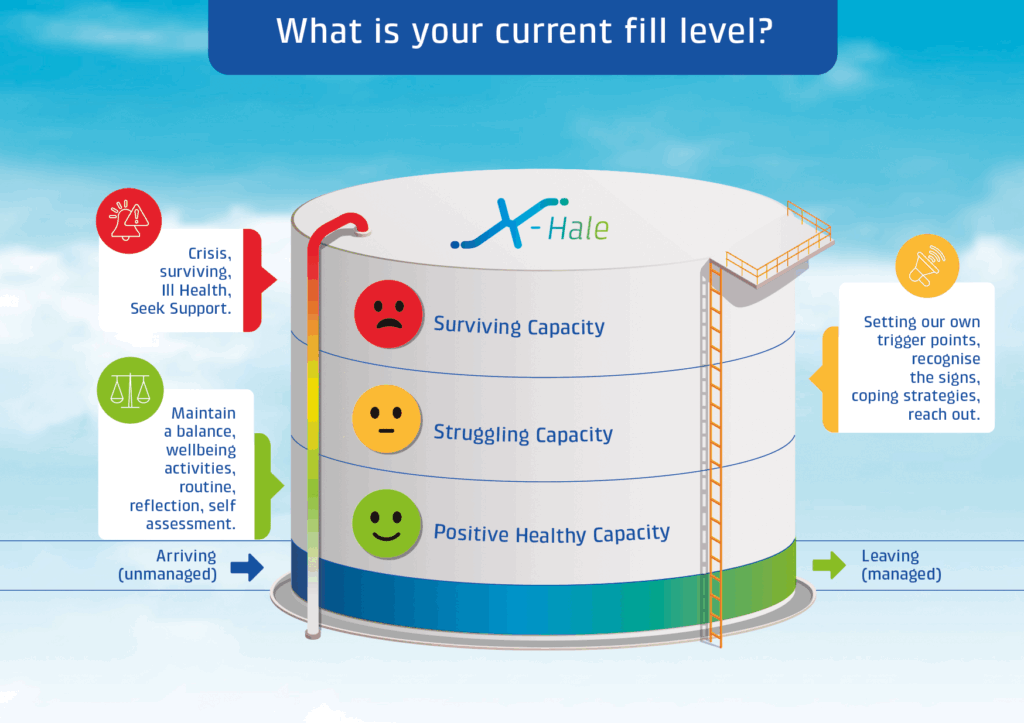
To celebrate World Mental Health Day, the NWE Mental Health First Aiders team has launched My Tank, a tool that invites you to stop, do some thinking, and recharge your batteries. Inspired by our storage tanks, it reminds us all that we have something we must look after in order to maintain balance and avoid overloads.
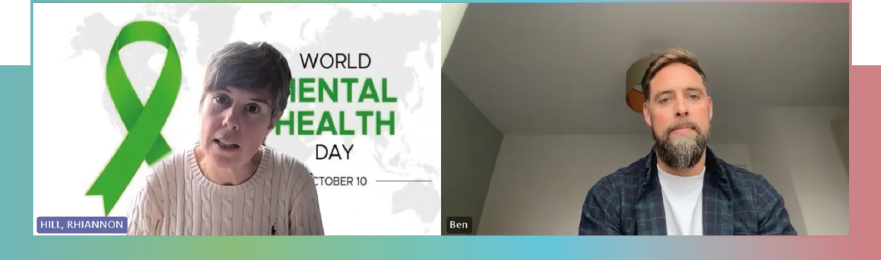
In NWE, Rhiannon Hill, Exolum Global HSSE Specialist and Mental Health First Aider, moderated an informal talk with Ben Smith, the founder of The Happy Company. Having run 401 marathons in 401 days, Ben shared his story of resilience and vulnerability, reflecting upon mental health, bullying at school, and personal acceptance.
Fostering inclusive leadership through the WIM network
Our Women in Movement (WIM) network is taking its activities to another level to smooth the way for women and connect our female employees with male allies. WIM is now focusing on inclusive leadership.
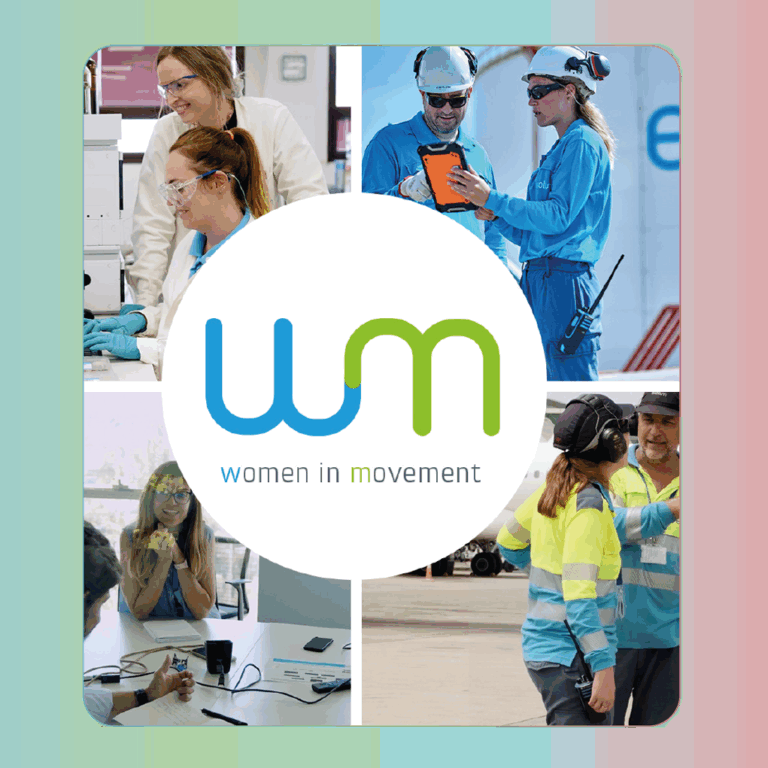
We believe in equal opportunities and have come back strong after the summer holidays with a new WIM workshop aimed at both men and women to reflect upon inclusive leadership.
During the workshop, led by Blanca Cal, Engagement Manager at Talento, we discussed what inclusive leadership really means in the context of our company. Plus, we analysed several ways to apply it in our day-to-day through:
We’re working to continue building an environment where everyone can make progress and develop to their maximum potential. Let’s move forward in diversity!
Dialogue is key to continuing to make progress with our DE&I strategy. That’s why, through the WIM network, we’re continuing our Listening Circles, a safe place to connect, share experiences and build a more diverse and inclusive culture.
These gatherings are inspired by the Lean In Circles methodology and foster personal and professional growth through open dialogue and active listening.
For this second listening session and just like in our WIM workshops, we emphasized one key issue: inclusive leadership. We did some thinking about what it means to lead based on inclusion, what it means in our day-to-day, and how different behaviours can make the difference. This training stimulates conversations guided by a moderator in which each participant decides how and how much to share. We’re building a more equitable, human and inspiring environment!
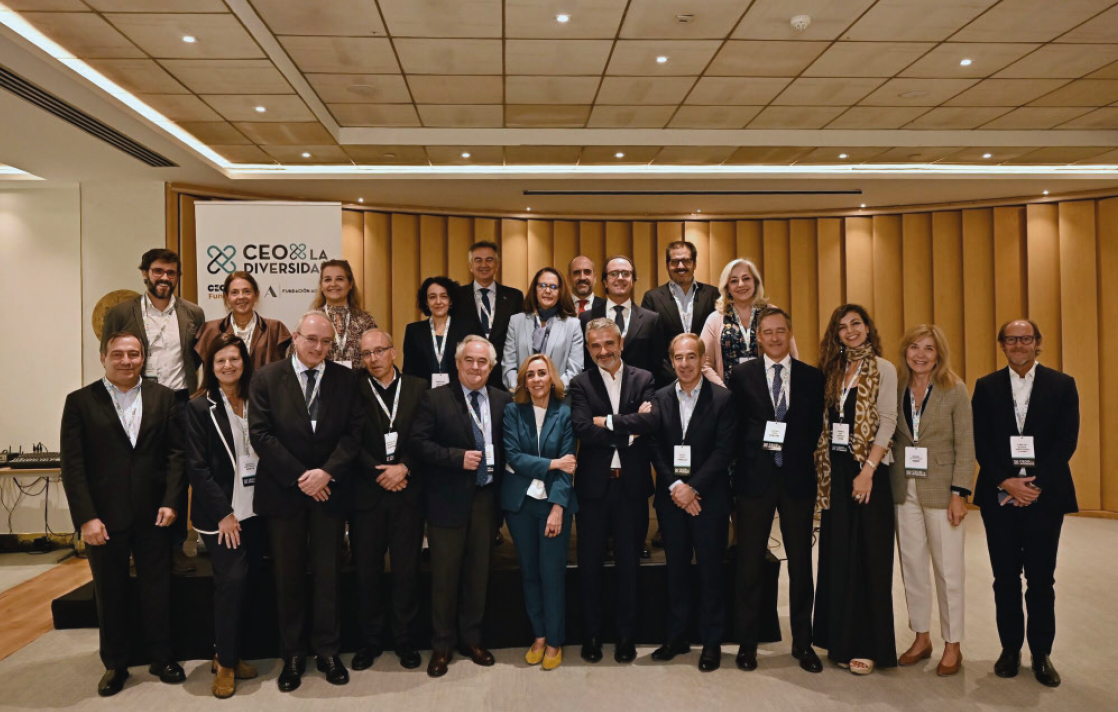
Encouraging DE&I through the alliance #CEOForDiversity
Javier Goñi participated for the first time as CEO of Exolum in this alliance, which is promoted by the Adecco Foundation and CEOE Foundation, as part of the Chair on Leadership and Diversity along with the university Carlos III of Madrid.
The alliance, which includes 101 CEO and has the mission of uniting companies around DE&I values, held an event to discuss how these values reinforce corporate reputation and leadership.
Our CEO said, ‘It was an inspiring day, focusing on how diversity, equity, and inclusion not only strengthen leadership, but also promote the reputation, legitimacy and competitiveness of our organizations.’ ‘We firmly believe that leading based on diversity means betting on more committed, innovative and sustainable teams,’ he added.
We’re proud to be a part of this alliance which is encouraging business transformation guided by excellence and reducing inequalities. At Exolum, DE&I is a way to make decisions and build a culture that reflects the plurality of our society. We’re moving forward towards a more human and inclusive business model that’s connected to everything around it!

We support the various ways our minds work. To dive deeper into this issue, we organized a webinar on neurodiversity moderated and hosted by Javier Alonso, Executive Sponsor of the inclusion lever Enable (Diverse Abilities).
The event featured the participation of the EY Wavespaces team, which has been driving the Neurodiversity Center of Excellence (NCoE) since 2021. It’s a pioneering model aimed at integrating neurodivergent talent in digital transformation and technology projects.
During the session, we listed to first-hand accounts from neurodivergent workers who shared their experiences and discussed the value of their contributions to the workplace.

FEEL betteR
Each individual action counts, but acting together changes realities. In order for us all to be a part of this change, we’ve started a new Social Action and Corporate Volunteering Plan which invites people at Exolum to get actively involved in the causes that move us.
Generating a positive impact and building a better world are part of our essence as an organization. That’s why our new Social Action Plan has arisen out of the conviction that joining forces changes the world. This global initiative invites everyone at Exolum to request assistance from our company for projects that make a positive impact on society. To participate, you just have to submit —using a simple form— a specific action related to the environment, education, culture and social aid, especially if it is developed in the local communities where we operate.
Our contribution will be adapted to each project and may consist of economic support, volunteering or material donations. We will also consider exceptional and urgent aid in emergency situations in addition to signing framework agreements with entities that allow us to generate value in the communities around us.
Fostering transparency
The governance of this plan is the responsibility of a committee led by Cristina Jaraba, Global People Lead, and Cristina Fernández, Executive Secretary and Secretary of the Board. This team is in charge of selecting projects based on strategic, execution and participation criteria, prioritizing those that can generate a measurable impact. It will also supervise the implementation of all projects, evaluate the results, and adjust strategies based on local needs.
Several initiatives are already underway, but we’d like to get involved in many more. Change begins when you decide to act and be the leader of the change you want to see. Value comes from what we do, so we encourage you to participate. Join the Social Action Plan!

Preserving the environment
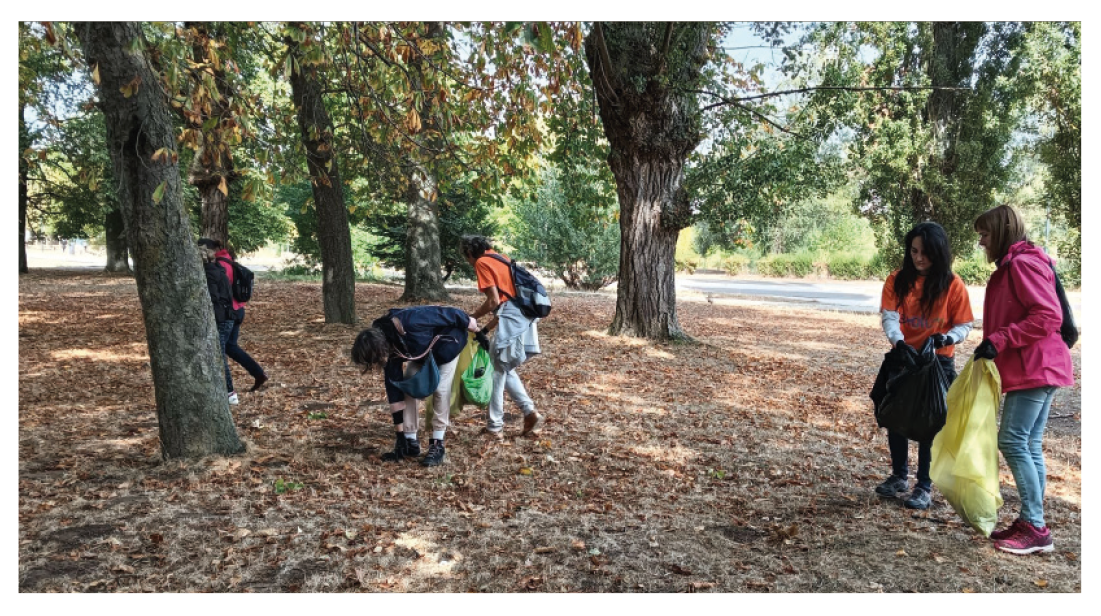
Our colleague Mavi de Lamor, Communication Manager, joined the LIBERA project in October. It’s an alliance between SEO/BirdLife and Ecoembes, which fights litter in nature, and the City Hall of Burgos to clean up waste at the Fuentes Frías Beach in order to preserve the environment. ‘Besides an activity that’s a part of the Exolum social action plan, for me, it was a source of pride and a chance to learn. I returned home with a feeling that one can make a difference, even if just little by little,’ Mavi says.

Goals for inclusion
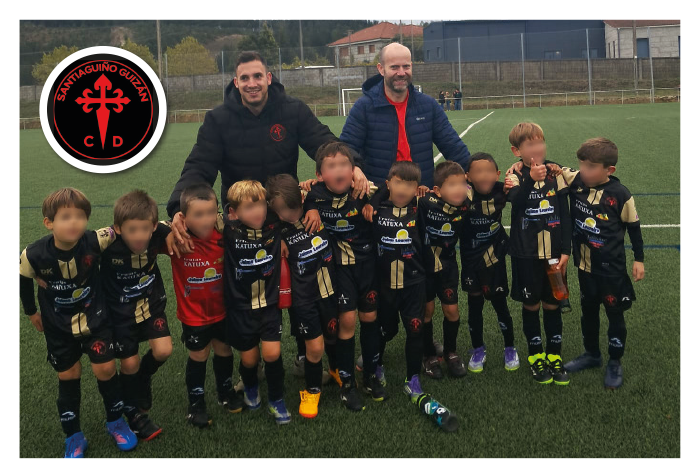
Diego Domínguez, an operations specialist at the Vigo facility, is one of the leaders behind the Santiaguiño football club, which promotes an alternative for healthy leisure among the residents of Guizán, a part of the metropolitan Vigo area. Collaboration from Exolum has driven the inclusion of at-risk boys and girls: ‘We’ve covered transport, kits and basic materials to prevent a lack of resources from being a barrier for their development and participation in the club’s activities,’ he indicated.

Reforesting native plants
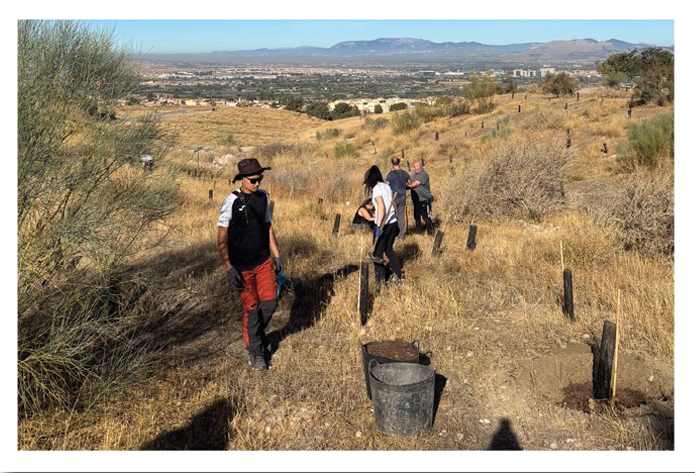
Another social action was driven by our colleague Rubén González, Head of Operations at the Motril facility. In October, he participated in an environmental volunteering day in La Zubia (Granada) along with the NGO Reforesta. The morning was spent planting native species in order to recover natural areas.

DISCOVER
The ocean symphony. Did you know whales can sing?
Science fiction or real science?
Super powers, extinct species coming back to life, traveling through time… Literature and the movies have given us fascinating storylines, but could these things actually happen in real life? Considering that 10th November is World Science Day, we explored the borders between imagination and inspiration.

Express transformation
From Victorian concoctions to gamma rays, not to mention insect bites: pop culture fantasizes with express metamorphism, either through a change in personality –The Strange Case of Dr. Jekyll and Mr. Hyde, by Robert Louis Stevenson– or a spontaneous genetic mutation –Hulk, X-Men, Spider-Man…–. Science reminds us that only neurochemistry can create changes in personality, whereas instant permutation in DNA corresponds to imagination.
Cloning and biotechnology
A-la-carte resuscitation of the dead or lost species seems complicated. In fact, cloning people as can be seen in the film Mickey 17 is unfeasible because it not only raises the question of ethical and legal limits, such duplication is more like reproducing genetic twins yet without the same memories or history. On the other hand, bringing dinosaurs back to life like in Jurassic Park is just a cinematographic dream, since DNA cannot survive for millions of years.

Time travel
Classics like The Time Machine, by H. G. Wells, and mythical films like Back to the Future and Interstellar explore the idea of visiting yesterday and tomorrow. Yet the science is clear: going to the future –on a small scale– is possible according to the theory of relativity and time dilation; however, returning to the past, for now, is simply a fictitious game.
IF YOU NEED MORE CONNEXION…